


For years, millions of Indians have watched their hard-earned savings quietly disappear through minimum balance penalties, automatic charges slapped on by banks when your average monthly balance (AMB) dips below a set threshold.
These fees, often ₹100–₹600 per month (plus taxes), create a punishing cycle: one deduction lowers your balance, triggering more fees the next time, turning a basic savings account into a slow leak on your finances.
Critics have long called it “looting” in disguise, especially as private banks like HDFC demanded high AMBs (up to ₹10,000 in metros) while public sector ones enforced rigid automated tracking.
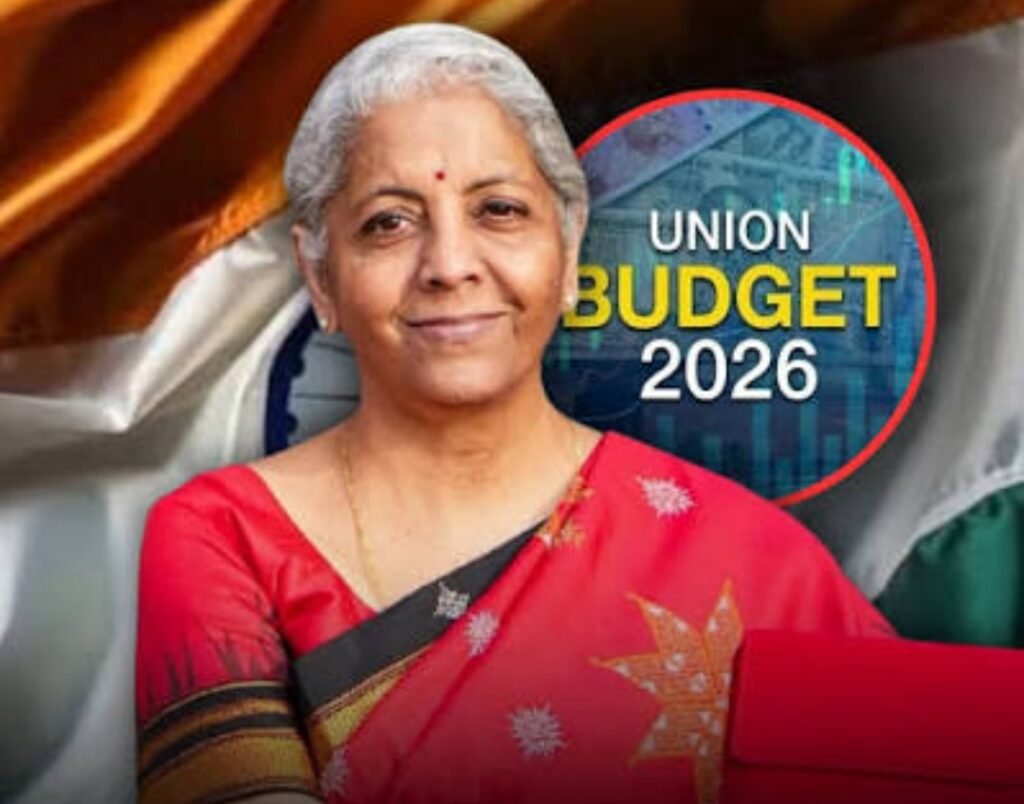
But 2026 marks a turning point. The Union Budget 2026-27, presented by Finance Minister Nirmala Sitharaman on February 1, 2026, directly tackles unfair practices by prioritizing consumer protection in banking.
Alongside record public capex of ₹12.2 lakh crore and a fiscal deficit target of 4.3% of GDP, the Budget announces a High-Level Committee on Banking for Viksit Bharat.
This panel will comprehensively review the sector, its structure, efficiency, and preparedness to align it with India’s growth ambitions while explicitly safeguarding financial stability, inclusion, and consumer protection.
The committee’s focus on consumer safeguards builds on the Reserve Bank of India (RBI)’s aggressive 2025-26 updates, which rolled out game-changing protections effective in early 2026.
From April 1, 2026, these zero-balance accounts became the ultimate shield against penalties. No minimum balance required, no charges for shortfalls, and banks can’t drive your account negative due to fees alone.
Key free perks include:
- Unlimited cash deposits (branches, ATMs, or correspondents).
- Free debit/ATM card (issuance, renewals—no annual fees).
- At least 25 free cheque leaves per year.
- Full free digital access: UPI, mobile/internet banking, NEFT/IMPS.
Easier switching
Request conversion from a regular account; banks must process it quickly (often within 7 days), though you can hold only one BSBD across all banks.
Capped & Transparent Penalties on Regular Accounts
For non-BSBD savings, RBI norms (phased in from January 2026) cap penalties (often at ₹200 max), require 30-day notice before charges, and prohibit negative balances from fees. This curbs the worst excesses of automated deductions.
Exemptions & Alternatives Reinforced
Salary accounts, Jan Dhan-linked options, seniors (60+), students, and pensioners often enjoy zero-balance perks automatically. Digital-active users may get relaxed terms via bank programs.
The Budget’s high-level committee signals even deeper reforms ahead—potentially standardizing rules further, reducing location-based disparities (higher metro demands), and curbing profit-driven fee models.
With banking already reaching over 98% of villages and strong balance sheets across the sector, the emphasis on inclusion ensures everyday savers aren’t left behind.
Why This Matters for the Average Indian Family
Many middle-class households, especially in urban areas, lose hundreds or thousands annually to these penalties without realizing the full impact. A family maintaining a modest savings account for emergencies or children’s education could see ₹1,000–₹5,000 vanish yearly in charges.
The new BSBD framework and Budget-driven review empower them to retain control—shifting banking from a cost center to a true safety net. This supports financial resilience amid rising living costs and helps build small savings for goals like home repairs or medical needs.
The Role of Digital Inclusion in These Changes
RBI’s updates align perfectly with India’s digital push, making BSBD accounts far more practical in 2026. Unlimited free digital transactions mean rural or low-income users can receive government benefits, salaries, or remittances without fees eating into funds.
The Budget’s Viksit Bharat vision reinforces this by reviewing how banks can better leverage technology for inclusion—potentially leading to more user-friendly apps, proactive alerts, and seamless switches to zero-balance options.
What Experts and Stakeholders Are Saying
Analysts note that the banking sector’s improved health (low NPAs, high profitability) positions it well for these reforms. The committee could address pending issues like better oversight on fee structures and enhanced grievance redressal. For consumers, this means stronger long-term protection against exploitative practices, fostering trust in the system.
How This Protects You Right Now Tired of penalties?
Switch to a BSBD account. It’s your RBI-mandated right. Visit your branch, use the app, or call customer care to request it.
Enable SMS/app alerts and set up auto-transfers to maintain balances in regular accounts if needed.
If wrongly charged, complain via your bank’s portal, RBI’s Complaint Management System, or the Banking Ombudsman—RBI rules favor quick resolution.
In 2026, the combination of Budget-driven reforms and RBI’s consumer-first rules means banks can no longer treat your account as a fee machine. Your money stays yours—protected, accessible, and free from unnecessary drains.


Signpost News is an independent digital platform renowned for its bold geopolitics opinions, incisive editorials, and balanced ethical journalism, while delivering sharp, timely insights on AI, finance, education, tech, and automobiles.