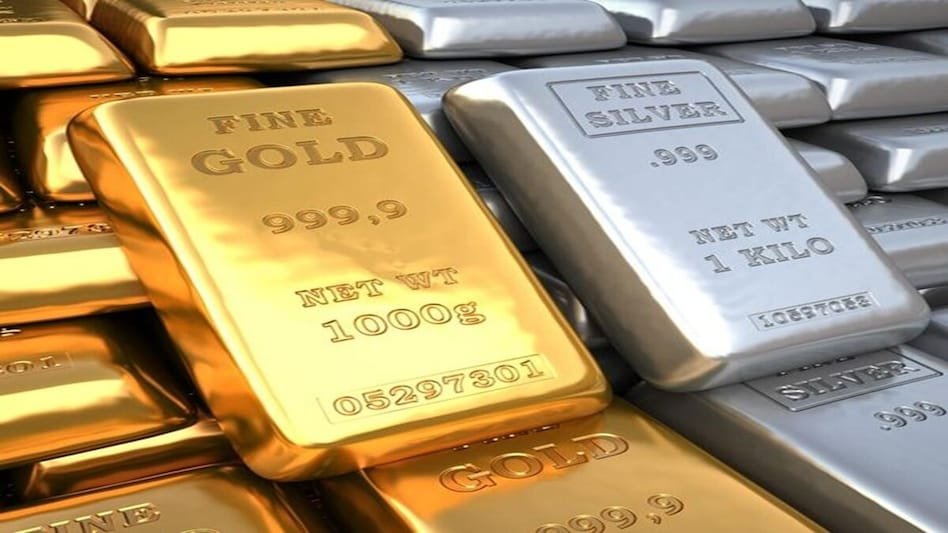
Investors chasing diversification beyond traditional equities and debt have found a glittering opportunity in precious metals. Gold funds and ETFs delivered an impressive average return of 50.94% over the last one year, while silver ETFs edged ahead with 51.14%, according to the latest performance data from mutual fund trackers.
The category boasts 31 schemes combining gold funds and ETFs. Leading the pack was the Tata Gold ETF, posting a standout 52.27% return. At the lower end, the Tata Gold ETF FoF trailed with 48.77%. Silver ETFs, with 21 schemes in the market over the same period, saw the Tata Silver ETF top the charts at 52.81%, while the Edelweiss Silver ETF lagged at 48.77%.
“Precious metals are proving their worth as portfolio stabilizers amid global uncertainties,” said financial advisor Rajesh Agarwal. For long-term investors, he recommends allocating up to 15% in gold for its inherent stability. On the tactical side, a 5-10% exposure to silver could capitalize on cycles of surging industrial demand, particularly in electronics and renewable energy sectors.
Alternative Route: Multi-Asset Allocation Funds
For those seeking a hands-off approach, multi-asset allocation funds offer an integrated way to tap into gold and silver ETFs without managing multiple schemes. These hybrid funds invest across at least three asset classes—typically equity, debt, and commodities (gold/silver)—with SEBI mandating a minimum 10% allocation to each class.
The fund house automatically rebalances the portfolio to maintain the target mix, blending growth, income, and inflation protection. No need to track gold prices or silver cycles—professional managers handle tactical shifts.
Among the leading multi-asset allocation funds, ICICI Pru Multi-Asset Fund allocates approximately 65% to equity, 20% to debt, and 15% to gold, delivering a 1-year return of 31.8% with an AUM of around ₹45,000 crore; Quant Multi Asset Fund follows a more balanced approach with ~50% in equity, ~25% in debt, and ~25% in gold and silver combined, posting the highest return of 34.2% and managing ₹2,800 crore in assets; while HDFC Multi-Asset Fund maintains ~55% in equity, ~30% in debt, and ~15% in gold, achieving 29.4% returns with an AUM of ₹3,500 crore (data as of October 31, 2025; source: Value Research).
These funds use gold and silver ETFs internally (e.g., Nippon India Gold/Silver ETFs) or Sovereign Gold Bonds (SGBs) for tax-efficient exposure. Investors avoid physical storage risks and tracking errors.In volatile markets, pure equity funds may drop 20–30%, but multi-asset funds typically limit drawdowns to 8–12%, thanks to debt and gold buffers.
Longer-Term Perspective: Steady Gains Over Three Years
Extending the horizon to three years reveals consistent outperformance. Gold funds and ETFs (21 schemes) averaged 31.96%, with LIC MF Gold ETF leading at 32.94%. Silver ETFs (11 schemes) averaged 33.24%, crowned by Nippon India Silver ETF’s 33.67%.As inflation hedges and industrial plays, gold and silver continue to attract inflows.
Market watchers attribute the rally to geopolitical tensions, central bank buying, and supply constraints. However, experts caution that past performance isn’t indicative of future results, urging investors to align allocations with risk tolerance and goals.
With ETF inflows hitting record highs this year, precious metals are no longer just safe havens—they’re active portfolio enhancers. Whether through direct ETFs or multi-asset funds, the yellow and white metals are earning their place in modern portfolios.