The escalating conflict between Israel and Iran has sent shockwaves through global energy markets, propelling crude oil prices to levels not seen in nearly four years.
On March 9, 2026, Brent crude, the international benchmark surged past $114 per barrel on the Chicago Mercantile Exchange, marking a dramatic 23% jump from its Friday closing price of $92.69.
West Texas Intermediate (WTI), the U.S. benchmark, traded around similar highs, briefly approaching or exceeding $114 in volatile sessions, with some reports noting spikes near $120 amid early trading frenzy.
This marks the first time oil has eclipsed $100 per barrel since mid-2022. The last peak for U.S. crude futures above $100 occurred on June 30, 2022, when it reached $105.76 amid post-pandemic recovery and Russia’s invasion of Ukraine. Brent last hit that threshold on July 29, 2022, at $104.
Those surges were driven by supply fears from the Ukraine war, but today’s rally stems directly from disruptions in the Middle East, where Iran has become a central battleground.
The conflict, now in its second week or more depending on accounts, pits U.S. and Israeli forces against Iran in a widening regional war. Strikes have targeted Iranian oil infrastructure, including depots and facilities, while retaliatory actions have affected neighboring producers and shipping lanes.
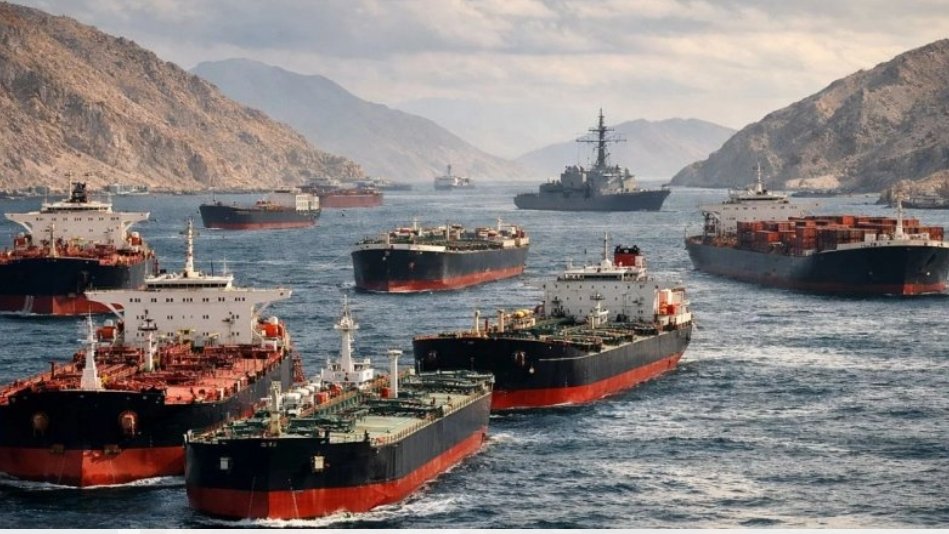
Critically, the Strait of Hormuz, a narrow chokepoint through which roughly 20% of the world’s seaborne oil and a significant portion of liquefied natural gas (LNG) flows has faced severe restrictions or near-closure for over a week.
Iranian threats and attacks on tankers have halted much of the transit, forcing rerouting or outright suspension of shipments from the Persian Gulf.
Analysts estimate that these disruptions have already curtailed about a fifth of global crude and gas supply in the short term. Iraq, a major OPEC producer, has reportedly slashed output by millions of barrels per day due to storage and export bottlenecks exacerbated by the chaos.
Damage to pipelines, processing plants, and storage in Iran and surrounding areas compounds the issue, with fears that prolonged fighting could impair production capacity for months.
The market’s reaction has been swift and severe. Oil prices climbed over 30% in the past week alone before Monday’s explosive gains, reflecting a massive risk premium baked into futures contracts. Traders are demanding higher compensation for the uncertainty, with estimates from firms like Goldman Sachs suggesting premiums of $14 or more per barrel tied to Hormuz risks.
If the strait remains blocked for an extended period, some projections warn of prices climbing well over $100, potentially to $120 or beyond depending on duration and severity.
Beyond the immediate supply crunch, the surge carries broader economic implications. In the United States, the national average gasoline price has risen sharply, climbing by around $0.43 in recent days to levels near $3.41 per gallon, according to AAA data.
Economists caution that sustained high oil could ripple into higher costs for transportation, manufacturing, and food, as energy underpins global supply chains. Inflation pressures, already a concern in many economies, could intensify, prompting central banks to reconsider monetary policy paths.
The war’s origins trace to escalating U.S.-Israeli operations against Iranian targets, including nuclear-related sites and military assets, which Iran has met with missile and drone barrages across the region.
The involvement of Gulf states and the targeting of energy infrastructure have transformed what began as a bilateral confrontation into a multi-front crisis threatening global stability.
Markets remain on edge, with prices fluctuating wildly as traders digest conflicting reports on ceasefire prospects or further escalations. While some analysts note that spare capacity elsewhere (including from non-Middle Eastern producers) could eventually offset losses, the short-term outlook is dominated by fear of worse disruptions. OPEC+ responses, potential U.S. strategic reserve releases, or diplomatic breakthroughs could temper the rally, but for now, the Iran conflict stands as the dominant force driving energy prices to historic highs.
This episode highlights the fragility of global oil markets to geopolitical shocks in key producing regions. As the war grinds on, consumers worldwide brace for elevated fuel costs, while investors weigh the balance between supply risks and economic fallout.