


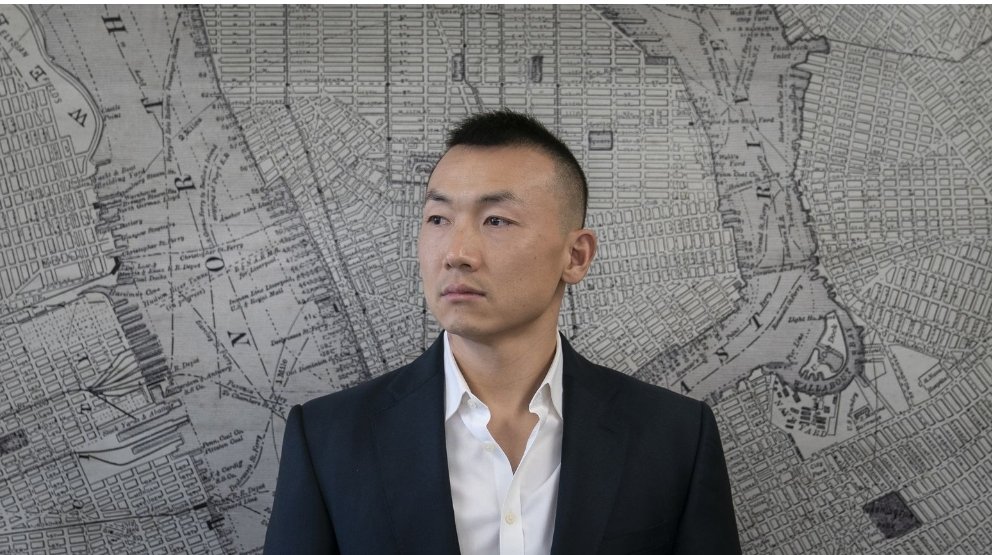
In a move that has reignited debate over presidential clemency, national security, and the boundaries of law enforcement loyalty, President Donald J. Trump has issued a full pardon to former NYPD Sergeant Baimadajie Angwang, a 39-year-old Marine Corps veteran convicted in 2023 of acting as an unregistered agent of the People’s Republic of China.
Angwang, a naturalized U.S. citizen born in Tibet, was arrested in September 2020 on charges that he had been secretly working for Chinese consular officials in New York. Federal prosecutors alleged that between 2018 and 2020, Angwang—while serving as a community affairs officer in Queens—reported on Tibetan dissident activities, assessed potential intelligence sources within the local Tibetan community, and helped Beijing locate individuals targeted for “repatriation” under China’s controversial Fox Hunt and Sky Net programs.
Angwang allegedly assisted in efforts to intimidate a U.S.-based dissident into returning to China, where critics say such returnees face imprisonment, torture, or worse. Court documents revealed text messages in which Angwang boasted to a Chinese handler, “I can find anyone you want in New York.”In January 2023, after a plea deal, Angwang was sentenced to three years’ probation and ordered to pay a $5,000 fine. He was stripped of his badge, discharged from the Marine Corps Reserve, and faced deportation proceedings—despite having served honorably in Afghanistan.
The pardon, signed late Friday and announced via Truth Social, wipes away the conviction entirely. In a brief statement, the White House called Angwang “a dedicated public servant caught in a politically charged prosecution,” adding that “his actions, while misguided, were rooted in cultural pressure and family ties in China, not ideological betrayal.”
The decision has drawn sharp reactions across the political spectrum.Civil liberties advocates and Asian American groups hailed the pardon as a corrective to what they describe as overreach by the Trump-era DOJ’s “China Initiative,” a program criticized for profiling ethnic Chinese and Tibetan Americans in academia and law enforcement. “
This case was built on fear, not evidence,” said Margaret Fung, executive director of the Asian American Legal Defense and Education Fund. “Angwang was punished for being Tibetan in uniform during a time of Sinophobia.”National security hawks, however, condemned the move as reckless. “This sends a dangerous signal to every foreign agent embedded in our institutions,” warned former FBI counterintelligence official Frank Figliuzzi.
“If you wear the badge and help Beijing hunt dissidents on U.S. soil, a future president might just let you walk.”Angwang’s defense team argued throughout the case that he was a victim of coercive diplomacy—his elderly parents in China faced harassment, and he believed cooperation would protect them. Prosecutors countered that Angwang sought career advancement within the Chinese consulate, even asking to be introduced to China’s Ministry of Public Security.
The pardon comes amid a broader wave of clemency actions by President Trump in his second term, including pardons for January 6 defendants, cryptocurrency fraud convicts, and now, controversially, individuals tied to foreign influence operations.
For Angwang, the pardon means more than restored rights. It halts ICE deportation proceedings and allows him to remain in Queens with his wife and two young children. In his first public comment since the pardon, he told reporters outside his home: “I made mistakes. I paid for them. Now I just want to be a father and a New Yorker again.”
As the sun set over Flushing Meadows, the case closes a chapter—but opens a larger question: In an era of great-power competition, where does loyalty end and survival begin?