


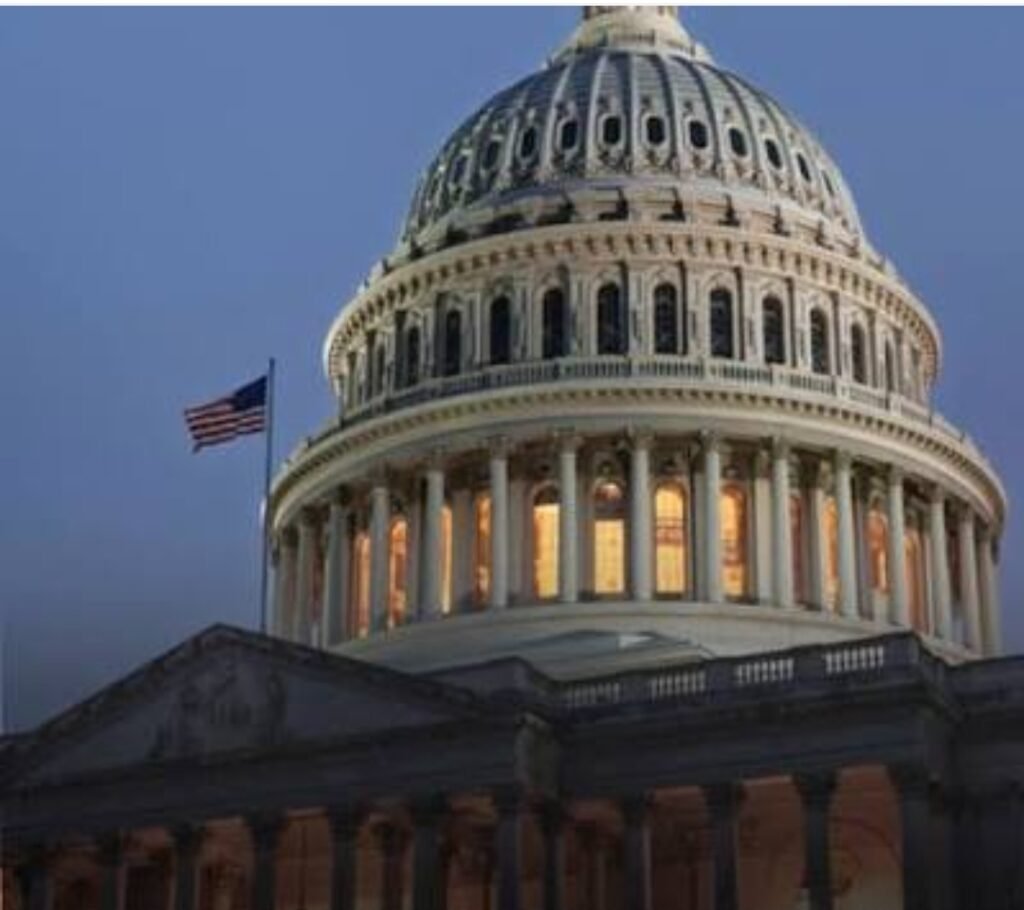
After 40 days of paralysis that grounded federal services, furloughed hundreds of thousands of workers, and triggered nationwide flight cancellations, the longest government shutdown in modern American history appears to be nearing its end.
In a rare bipartisan move late Sunday, the US Senate advanced a stopgap funding bill with the crucial support of eight Democratic senators, breaking a weeks-long deadlock that had threatened to spill into the holiday season. The continuing resolution would keep most federal agencies operational through the end of January, giving lawmakers additional time to hammer out a full-year budget.
President Donald Trump, speaking to reporters outside the White House, struck an optimistic tone. “We’re very close to a deal—very close. The Democrats finally came to the table,” he said, adding that he expects to sign the measure “within hours” once it clears final procedural hurdles.
The breakthrough comes amid mounting public frustration. Airports across the country have reported thousands of flight cancellations due to absent TSA screeners and air-traffic controllers working without pay. Food-assistance programs faced delays, leaving millions of low-income families uncertain about SNAP benefits just weeks before Thanksgiving.
Behind the scenes, negotiators wrestled with Republican demands for stricter work requirements in federal nutrition programs and Democratic insistence on protecting disaster-relief funding. The compromise bill largely sidesteps those flashpoints, postponing the toughest decisions until after the new year.If passed as expected, the legislation will mark the end of a shutdown that began on September 30 over disagreements on border-wall funding and federal spending levels.
Economists estimate the standoff has already cost the US economy more than $40 billion in lost productivity and delayed payments.For now, federal workers are preparing to return to their desks, travelers are rebooking flights, and millions of Americans are breathing a cautious sigh of relief. Yet with only a temporary patch in place, Washington’s budget battles are far from over. The real test will come in January—when the clock starts ticking once again.