


Recently, Amazon Pay rolled out a major feature allowing users to invest in fixed deposits (FDs) directly through the app, with interest rates up to 8% per annum, starting from as little as ₹1,000.
Partnering with prominent institutions like Shriram Finance, Bajaj Finance, and several banks including Shivalik Small Finance Bank, Suryoday Small Finance Bank, South Indian Bank, Slice, and Utkarsh Small Finance Bank, the platform lets you compare options, pick tenures, and complete everything digitally—no need to open a separate savings account with any partner.
For bank-linked FDs, there’s even DICGC insurance up to ₹5 lakh per depositor per bank, adding that layer of regulatory comfort. And let’s not forget: Amazon has long partnered with Kuvera (Arevuk Advisory Services) to facilitate zero-commission direct mutual fund investments alongside these FDs, turning the Pay section into a mini wealth hub.
A decade ago, this would have sounded downright absurd. E-commerce apps were meant to sell gadgets, deliver groceries, or help you hail a cab—not manage your savings, offer credit, or let you park money in fixed-income products.
With Amazon Pay evolving from a simple UPI wallet into a comprehensive financial companion that bundles payments, bill settlements, travel bookings, credit solutions, and now low-risk investments.
Vikas Bansal, CEO of Amazon Pay, nailed it in the launch statement: fixed-income instruments remain hugely popular in India for their simplicity, guaranteed returns, and low risk, and this move expands choice while giving customers a stronger foundation for their 2026 financial goals.
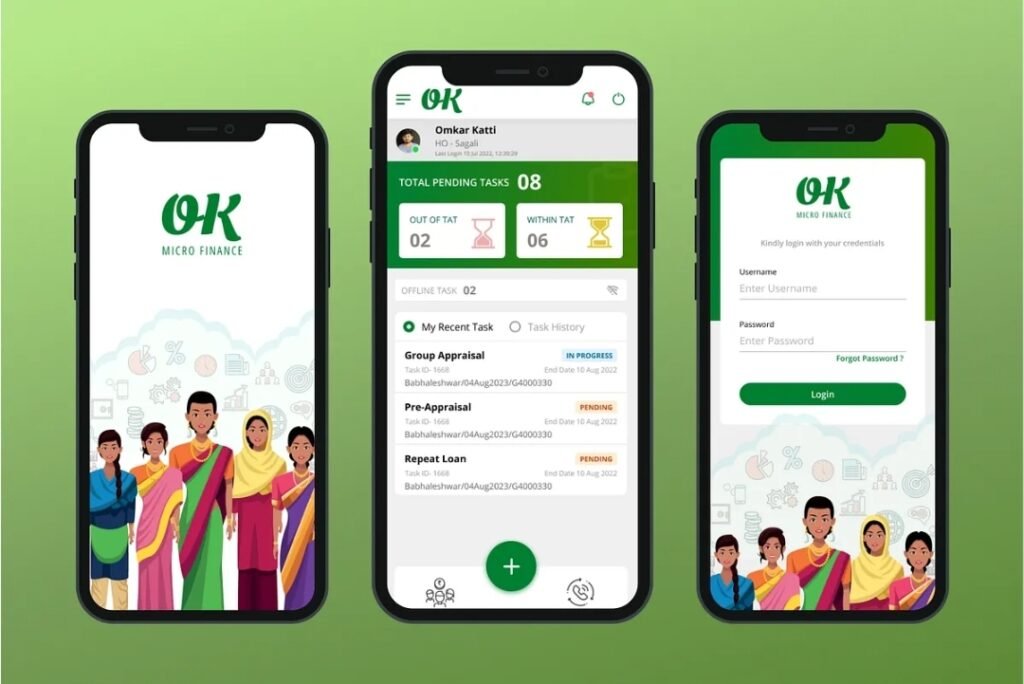
This isn’t isolated—it’s the latest chapter in why “every app” is morphing into a microfinance (and now micro-investment) powerhouse. The brutal reality of consumer tech is that core services alone—selling products, delivering food, or booking rides—yield razor-thin margins in a cutthroat market plagued by price wars, soaring acquisition costs, and fickle loyalty. Credit and now savings products change the equation entirely.
Embedding BNPL or instant loans boosts conversions and cart values dramatically, while repayments via UPI create sticky, habitual engagement. Extending to investments like FDs and mutual funds takes it further: it deepens trust, captures idle cash sitting in low-yield accounts, and opens recurring revenue through partnerships, commissions, or ecosystem lock-in.
The data these apps already collect—UPI patterns, purchase histories, behaviors—fuels smarter recommendations, whether for a quick micro-loan or a safe FD ladder.
What powers this scalability is the same tech that digitized traditional microfinance: algorithmic underwriting, seamless UPI flows, and partnerships with regulated NBFCs and banks.
India’s smartphone army exceeds 850 million, UPI handles billions of transactions monthly, and vast underserved segments—rural users, gig workers, women, young professionals—crave accessible, formal options over expensive informal lenders.
This mirrors the insights from early January 2026’s Finshots explainer, which showed microfinance permeating consumer apps and turning credit into a commerce turbocharger.
Now, with Amazon’s move, we’re seeing the flip side: embedded savings and investments, completing the full-cycle financial super-app vision.The RBI deserves applause for the guardrails that enable this without chaos.
The consolidated Reserve Bank of India (Digital Lending) Directions, 2025 (issued May 8, 2025) unified earlier rules on digital lending, default loss guarantees, and more, applying to banks, NBFCs, and their lending service providers (like these fintech interfaces).
Mandated transparency via Key Fact Statements, direct fund flows, strict data limits, harassment bans, and quick grievance redressal curb abuses while promoting inclusion.
For investments like FDs and mutual funds, SEBI oversight on mutual funds and DICGC protection for bank deposits add extra safety nets. It’s a pragmatic balance: innovation thrives, but with accountability.
The upsides are transformative. Financial inclusion explodes—millions access credit or savings tools in minutes via phone, no branches required. Convenience reigns: credit or FD options appear right where you’re already spending or saving.
Responsible use builds credit histories or grows wealth steadily, and platforms/merchants gain from higher engagement and sales.
Amazon’s low-entry ₹1,000 threshold, plus perks like extra interest for seniors or women on some partners, democratizes what was once bureaucratic.But as someone who’s reported on too many fintech pitfalls, I see the shadows clearly.
Easy access risks over-indebtedness—small loans or impulse investments stack up, especially if used for non-essentials. “Guaranteed” returns sound appealing, but NBFC FDs lack DICGC cover, and hidden fees or penalties can erode gains.
Privacy concerns linger despite rules, and growth-hungry platforms might prioritize volume over prudence. Many users, particularly newcomers, still misunderstand terms or cumulative impacts.This embedded finance surge—credit one day, savings the next—signals India’s leap into a world where finance is invisible infrastructure, like UPI for payments.
Amazon’s timely launch highlights the momentum: apps aren’t just trying to become financial hubs; they’re succeeding because they solve real needs in a digital-first nation.
The promise for inclusion and empowerment is huge, but it demands discipline—borrow or invest wisely, compare rigorously, use only regulated paths, and educate yourself relentlessly.


Naorem Mohen is the Editor of Signpost News. Explore his views and opinion on X: @laimacha.