As tensions simmer in the Indian Ocean region, recent developments underscore an intensifying naval arms buildup between India and Pakistan, with China playing a pivotal role in bolstering Islamabad’s underwater capabilities.
Pakistan is on track to significantly enhance its submarine fleet through a longstanding $5 billion deal with China for eight advanced Hangor-class diesel-electric attack submarines.
Signed in 2015, the agreement involves four vessels built in China and four assembled domestically in Karachi under technology transfer. The fourth and final China-built submarine, named PNS Ghazi, was launched in Wuhan earlier this month, with all four now undergoing sea trials ahead of expected handover.
Pakistani naval officials have indicated that the first batch will enter service in 2026, followed by full induction by 2028.These Hangor-class submarines, derived from China’s Yuan-class design, feature air-independent propulsion (AIP) for extended submerged operations, advanced sensors, and standoff weapon systems.
Analysts note that they represent a major upgrade for Pakistan’s aging fleet, potentially improving its sea-denial capabilities in the Arabian Sea and complicating operations for larger navies.The timing coincides with heightened regional scrutiny, as a recent U.S. Pentagon report highlighted China’s growing military support to Pakistan, including warships and missiles.
While not a direct “gift,” the deal reinforces the deep defense ties between Beijing and Islamabad, aimed at counterbalancing India’s maritime dominance.In response, India has quietly advanced its own strategic deterrent.
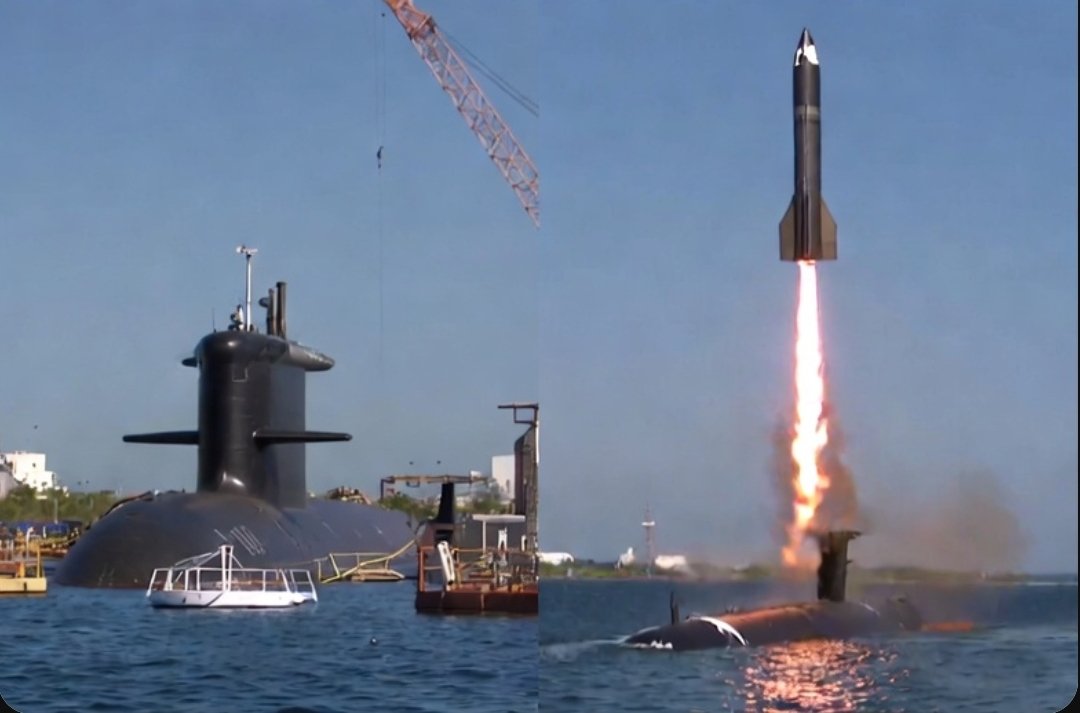
Just days ago, on December 23, the Indian Navy successfully test-fired the indigenous K-4 submarine-launched ballistic missile (SLBM) from a nuclear-powered submarine in the Bay of Bengal.
With a confirmed range of approximately 3,500 kilometers, the K-4 is nuclear-capable and marks a critical step in operationalizing India’s sea-based second-strike capability.This test, reportedly from INS Arighaat or INS Arihant, follows earlier developmental launches and signals readiness for deployment across the Arihant-class fleet.
The K-4 vastly outperforms the shorter-range K-15 SLBM previously in service, allowing Indian submarines to target distant threats while remaining concealed in patrol areas. Defense sources describe it as a “game-changer” for credible minimum deterrence under India’s no-first-use policy.
Experts view these parallel advancements as part of a broader strategic competition. Pakistan’s conventional submarine upgrades focus on regional anti-access tactics, while India’s nuclear SLBMs emphasize survivable retaliation.
The Indian Navy maintains a larger overall fleet, including aircraft carriers and nuclear submarines, but acknowledges the need for vigilance against evolving threats.
As both nations modernize amid lingering border disputes and maritime interests, the Indian Ocean’s balance of power appears poised for further evolution in the coming years. Diplomatic channels remain open, but military planners on all sides are clearly preparing for a more contested seascape.