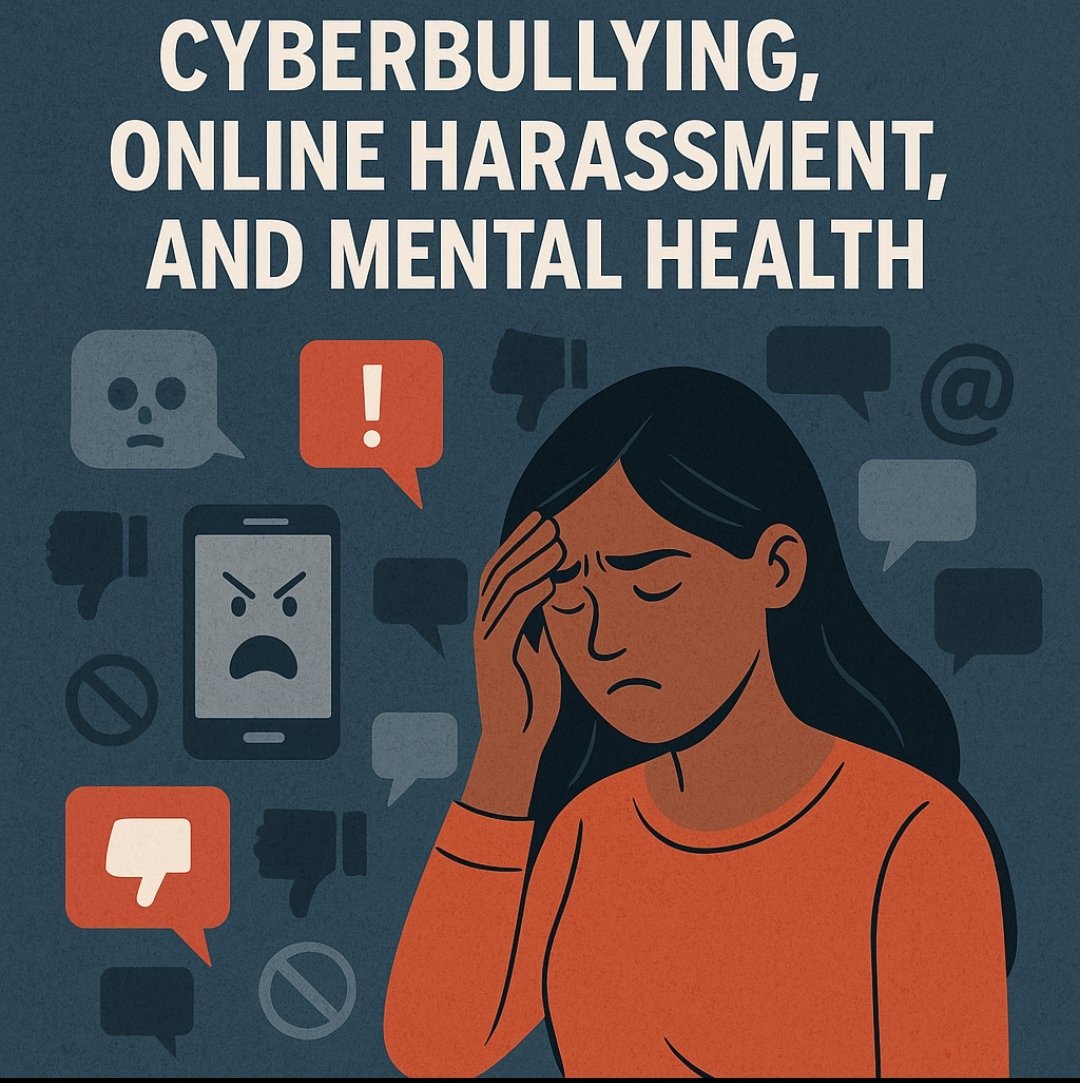
India’s digital revolution has connected millions, changing how people communicate, express opinions, and build social networks. For the youth, digital platforms have become spaces for learning, creativity, and identity formation. Yet, this digital empowerment has a darker counterpart — the rise of cyberbullying, online harassment, and deep emotional harm.
In today’s world, where online presence defines one’s social identity, privacy has blurred into publicity.
Sharing opinions, photos, and experiences on social media has become routine — but it also exposes individuals to judgment, mockery, and manipulation. The misuse of technology and social media has quietly evolved into a public mental health crisis, particularly among adolescents and young adults.
Adding to this threat is the advancement of artificial intelligence (AI), which has enabled the creation of deepfakes, voice cloning, and morphed images. These tools, often weaponized for defamation and revenge, have opened terrifying new frontiers of online abuse — particularly targeting young women.
The Reality of Cyberbullying and Online Harassment
Cyberbullying refers to the intentional use of digital technologies to harass, humiliate, or threaten someone repeatedly. It includes acts such as posting abusive messages, spreading false rumors, sharing private photos without consent, or deliberately excluding someone from online communities.
Online harassment extends beyond cyberbullying — it encompasses sexual harassment, cyberstalking, impersonation, trolling, and hate speech. Unlike traditional bullying that ends with the school bell, online harassment is constant, borderless, and inescapable.
Victims face a relentless cycle of fear and shame. The anonymity of perpetrators emboldens them, while the public nature of digital platforms amplifies humiliation. Many victims are reluctant to report incidents due to fear of stigma, victim-blaming, or lack of awareness about legal remedies.
According to a 2023 survey by India’s National Crime Records Bureau (NCRB), cases of online harassment and cyberstalking have surged by nearly 25% in the last two years, with most victims between the ages of 15 and 30. Yet, experts believe the real figures are much higher, as cyber abuse often goes unreported.
The Psychological Toll: Invisible Scars
The emotional damage caused by cyberbullying and online harassment is profound. Digital aggression may not leave physical marks, but its psychological consequences are often deeper and longer-lasting.
Depression
Victims frequently experience persistent sadness, hopelessness, and self-blame. Continuous humiliation or exclusion leads to a loss of self-esteem and social withdrawal. Research shows that adolescents who are cyberbullied are twice as likely to develop depressive symptoms as those who are not. The constant digital reminders — posts, comments, or screenshots — prevent emotional recovery, keeping victims trapped in cycles of distress.
Anxiety
Online harassment triggers intense anxiety and hypervigilance. Victims often fear further exposure or public embarrassment, constantly checking their devices for new attacks. This persistent stress can lead to sleep disturbances, irritability, and difficulty concentrating. Social anxiety may also develop, as victims lose trust in peers and retreat from both digital and real-world interactions.
Post-Traumatic Stress Disorder (PTSD)
For some, severe and prolonged cyberbullying can lead to trauma responses similar to PTSD. The viral spread of humiliating content creates a sense of loss of control. Victims may experience flashbacks, nightmares, emotional detachment, and avoidance behavior. The trauma is often reactivated when similar content reappears or when new incidents occur.
Suicidal Behavior
The most tragic consequence of cyberbullying is its connection to suicidal thoughts and attempts among youth. Repeated humiliation, isolation, and hopelessness can drive victims toward desperation. India has witnessed several heartbreaking cases where online abuse led young people to end their lives. The anonymity of abusers and the permanence of digital footprints make this issue even more distressing.
The emotional wounds inflicted online can last long after the bullying stops — shaping self-perception, relationships, and trust in society.
The AI Threat: Technology as a New Weapon
The rise of artificial intelligence has intensified the dangers of digital harassment. Deepfake videos, morphed images, and AI-generated voice clips have been used to target individuals — especially women and young people — in acts of defamation or revenge.These abuses are not just violations of privacy; they are psychological assaults that destroy reputations and inflict emotional trauma. Victims face not only public humiliation but also fear of long-term reputational damage, affecting their education, employment, and mental stability.
Without proper regulation, the misuse of AI could normalize digital violence — turning technology into a tool of psychological warfare.
Interventions and Strategies: Building Digital Resilience
Addressing cyberbullying requires more than reactive measures. It demands proactive, multi-dimensional strategies that blend education, policy enforcement, and mental health support.
Digital Literacy and Prevention
Digital literacy is the cornerstone of prevention. It should extend beyond technical know-how to include ethical online behavior, empathy, and privacy management. Schools, colleges, and community institutions must integrate cyber safety education into their curricula.
Key strategies include:
1. Teaching students to recognize forms of cyberbullying and how to report them.
2. Educating youth about digital footprints, privacy settings, and safe online practices.
3. Encouraging bystander intervention and peer support for victims.
4. Promoting open communication between parents, teachers, and children about online experiences.
5. Parental digital literacy is equally vital. Parents should be trained to guide their children without excessive surveillance, fostering trust while ensuring safety.
Policy Framework and Legal Enforcement
India’s Information Technology Act, 2000 and its amendments criminalize cyberstalking, defamation, and online abuse. However, gaps remain in enforcement and awareness. Victims often lack knowledge about where to report or how to pursue legal action.
To strengthen protection and accountability:
● Establish fast-track cybercrime reporting mechanisms and victim support centers.
● Mandate transparency reports from social media platforms on content moderation.
● Ensure collaboration between law enforcement, education departments, and tech companies.
● Update legal frameworks to address emerging threats like AI-generated content and digital impersonation.
Furthermore, platform accountability is essential. Companies must implement robust moderation systems, publish regular transparency reports, and face penalties for repeated negligence.Legal literacy campaigns should educate citizens about their rights, reporting options, and available mental health support.
Awareness and Community Engagement
Awareness campaigns play a crucial role in breaking stigma and promoting a culture of empathy online. Public sensitization initiatives can help communities recognize the seriousness of cyberbullying and its mental health implications.
Effective approaches include:
● School and college workshops led by mental health professionals and peer educators.
● Social media campaigns highlighting stories of resilience and recovery.
● Helplines and online therapy platforms for victims seeking confidential support.
● Collaboration with influencers and celebrities to amplify digital empathy and responsible online behavior.
By combining education with emotional literacy, society can shift from reaction to prevention.
Coordinated Action: A Shared Responsibility
Tackling cyberbullying is not the responsibility of one sector alone. It requires coordinated action among educators, policymakers, law enforcement agencies, and technology companies.
Key strategies include:
● Integrating cyber ethics and mental health education into school curricula.
● Enhancing national cybercrime hotlines and victim assistance services.
● Developing cross-sector collaborations between mental health experts and digital platforms.
● Empowering youth to take leadership roles in promoting safe online communities.
● Digital safety must be treated as a public health priority — as crucial as physical safety in modern society.
Toward a Culture of Digital Empathy Cyberbullying and online harassment have emerged as silent epidemics of the digital era, leaving emotional wounds that are invisible yet deeply damaging. The mental health toll — from anxiety and depression to trauma and suicide — reflects a society struggling to balance digital freedom with accountability. Addressing this crisis requires a collective shift in digital culture — one rooted in empathy, education, and ethical responsibility. Strengthening digital literacy, enforcing strong policy frameworks, and ensuring accessible mental health care are essential steps forward.
As India continues to lead in technological innovation, it must also lead in building a humane digital environment — one that protects its youth not only from physical harm but also from the silent suffering of online abuse.
True progress in the digital age will be measured not only by how fast we innovate, but by how safely, compassionately, and responsibly we connect.