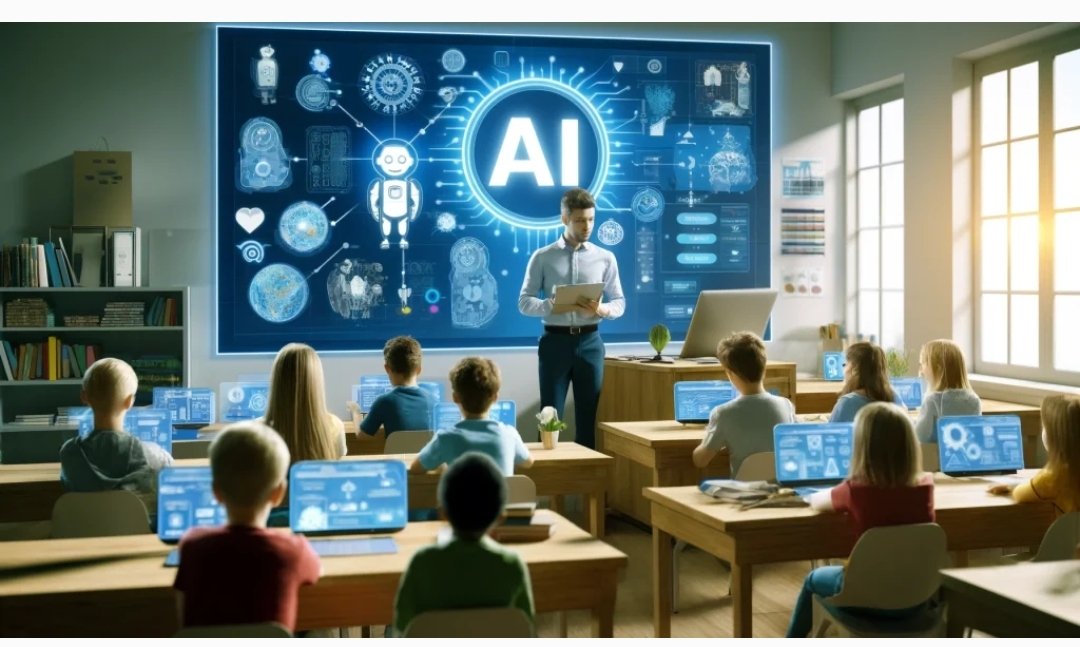
In a groundbreaking move, OpenAI, Microsoft, and Anthropic have partnered with the American Federation of Teachers (AFT) to launch an AI training academy that promises to equip 400,000 U.S. educators with cutting-edge artificial intelligence skills by 2030.
This ambitious initiative is more than just a tech upgrade—it’s a transformative leap toward redefining education in the digital age. As someone who believes in the power of education to shape society, I see this as a bold, necessary step to prepare our classrooms for the future.The potential of AI in education is staggering. From personalized lesson plans that adapt to each student’s learning pace to automating administrative tasks, AI can free teachers to focus on what they do best: inspiring young minds.
This initiative recognizes that teachers are the backbone of this transformation. By equipping them with AI literacy, we’re not just teaching them to use new tools; we’re empowering them to lead the charge in a tech-driven world.Skeptics might argue that flooding classrooms with AI risks depersonalizing education or widening inequality if access to technology isn’t universal. These are valid concerns.
Technology alone isn’t a silver bullet, and without equitable implementation, we could inadvertently leave some schools behind. But this partnership’s scale—400,000 teachers strong—signals a commitment to broad, inclusive access. The involvement of the AFT, a union with deep roots in advocating for educators, suggests this program will prioritize teachers’ real-world needs over corporate agendas.
What excites me most is the message this sends: teachers matter. By investing in their professional development, OpenAI, Microsoft, and Anthropic are betting on educators as the bridge between today’s classrooms and tomorrow’s possibilities. This isn’t about replacing teachers with algorithms; it’s about amplifying their impact.
A teacher trained in AI can harness data to spot struggling students early, craft engaging lessons, and even foster critical thinking about technology’s role in society.The road to 2030 won’t be easy. Training 400,000 teachers requires robust infrastructure, sustained funding, and a commitment to ongoing support. But if done right, this initiative could set a global standard for integrating AI into education responsibly.
AI literacy for teachers offers transformative benefits for education. Here’s a clear breakdown of why it matters:
- Enhanced Teaching Efficiency: AI literacy enables teachers to use tools like intelligent tutoring systems or automated grading, saving time on administrative tasks. This frees them to focus on creative lesson planning and student engagement.
- Personalized Learning: Teachers can leverage AI to tailor lessons to individual student needs, using data to identify strengths, weaknesses, and learning styles. This fosters better outcomes, especially for diverse classrooms.
- Improved Student Engagement: AI tools, like interactive simulations or gamified learning platforms, make lessons more dynamic. Teachers trained in AI can integrate these tools to spark curiosity and deepen understanding.
- Early Intervention: AI literacy equips teachers to use predictive analytics to spot struggling students early, allowing timely support to prevent falling behind.
- Critical Thinking Development: Teachers can guide students in understanding AI’s ethical implications, biases, and societal impact, fostering critical thinking and preparing them for a tech-driven world.
- Equity and Inclusion: AI-literate teachers can use accessible technologies, like text-to-speech or translation tools, to support students with disabilities or non-native speakers, promoting inclusivity.
- Professional Empowerment: Mastering AI tools boosts teachers’ confidence and adaptability, positioning them as leaders in modern education and enhancing their career resilience.
- Future-Ready Students: Teachers with AI skills can prepare students for careers in an AI-driven economy, teaching them to use technology creatively and responsibly.
Challenges to Address: While the benefits are clear, equitable access to AI tools and training is critical to avoid widening educational gaps. Continuous support and infrastructure investment are essential for success.
By equipping teachers with AI literacy, this initiative doesn’t just modernize classrooms—it empowers educators to shape a future where technology amplifies human potential.
It’s a chance to not only modernize teaching but also inspire a generation of students to navigate and shape an AI-driven world with confidence.This is a moment to celebrate—and to hold accountable. Let’s ensure this program delivers on its promise to empower teachers, not just with tools, but with the vision to redefine learning for the 21st century. The future of education is in their hands, and with AI as their ally, the possibilities are limitless.