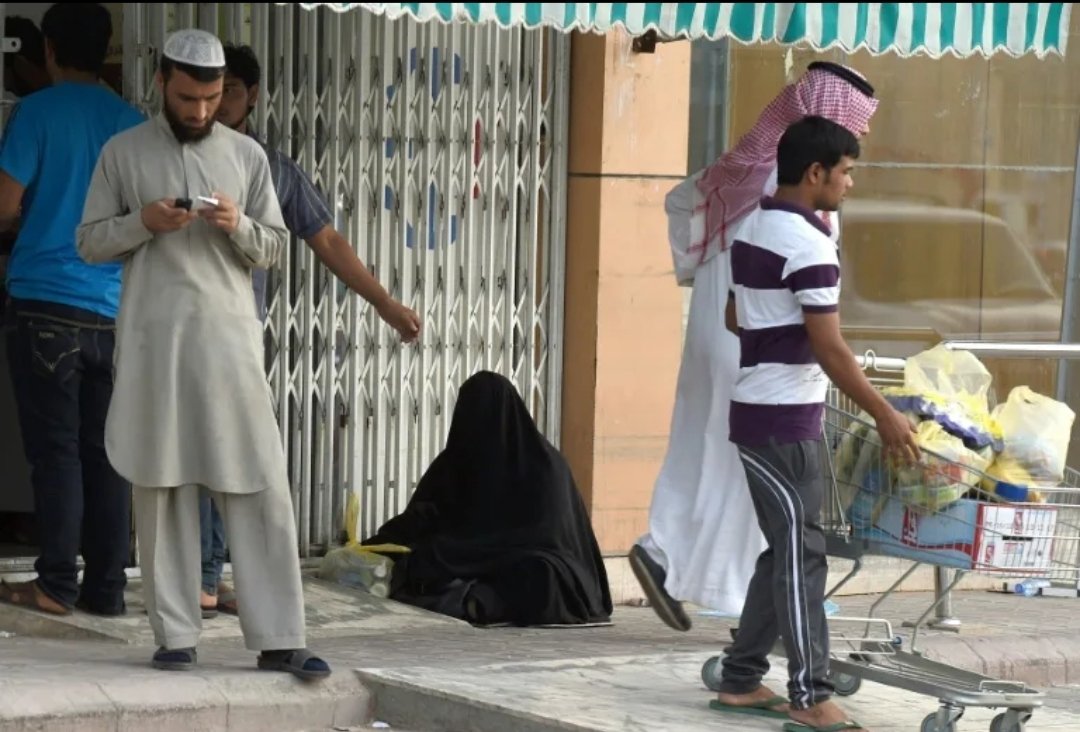
Saudi Arabia and the United Arab Emirates have intensified oversight of Pakistani visitors and workers in response to rising incidents of organised begging and criminal activities, a development that Pakistani officials acknowledge is severely damaging the nation’s global reputation.
Saudi Arabia, home to approximately 1.81 million Pakistani expatriates as of late 2025—predominantly male workers in construction, services, and other labour-intensive sectors—has deported around 24,000 Pakistanis this year alone on begging allegations.
The UAE, meanwhile, has imposed broad visa restrictions on Pakistani citizens, citing involvement in criminal activities post-arrival, and deported about 6,000 individuals on similar grounds.
These actions highlight a broader challenge for Pakistan’s large diaspora in the Gulf. Saudi Arabia remains the top destination for Pakistani migrant workers, with over 242,000 registrations for employment there in the first half of 2025 alone, driven by demand under Vision 2030 projects.
Historically, more than 7 million Pakistanis have migrated to the Kingdom since records began in 1971, forming one of the largest expatriate communities and contributing significantly through remittances—reaching $8.59 billion from Saudi Arabia in 2024.
Data from Pakistan’s Federal Investigation Agency (FIA) highlights efforts to curb the issue domestically. In 2025, authorities offloaded 66,154 passengers at airports to disrupt organised begging networks and halt illegal migration attempts.FIA Director General Riffat Mukhtar emphasised that these syndicates are inflicting reputational harm on Pakistan.
The problem extends beyond the Gulf, with similar patterns observed in travel to Africa, Europe, and Southeast Asian countries like Cambodia and Thailand via misused tourist visas.Mukhtar noted additional deportations, including roughly 2,500 from Azerbaijan. Dubai accounted for about 6,000 returns.
The issue gained prominence last year when Saudi authorities formally requested Pakistan to stop the exploitation of Umrah visas for begging in Mecca and Medina. Riyadh’s Ministry of Religious Affairs warned in 2024 that unchecked practices could impact Pakistani pilgrims’ access to Hajj and Umrah.
Legal experts in Pakistan have highlighted the organised nature of the activity. Last year, attorney Rafia Zakaria described begging as a “highly structured enterprise” rather than mere desperation.”One industry in Pakistan that seems to be very organised and has been quite successful in ensuring that its recruits have plenty to do is the begging industry.
It is such a successful venture that it has now decided to start exporting to, and expanding in, other countries,” she wrote.She further observed: “As many Pakistanis may have seen for themselves during Hajj, these beggars set up shop outside the holy places in Makkah and Madinah, where they harass foreign pilgrims for money just as they do shoppers in markets across Pakistan.”Government officials have raised parallel alarms.
In 2024, Secretary of Overseas Pakistanis Zeeshan Khanzada stated that around 90% of beggars detained in West Asian countries were Pakistani nationals.
While the vast majority of Pakistani expatriates in Saudi Arabia and the Gulf contribute positively through legitimate work, the persistent begging networks continue to strain bilateral ties and prompt stricter immigration measures.