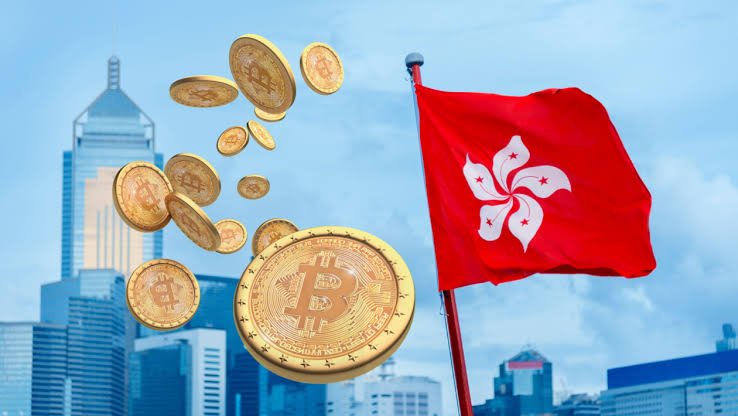
Hong Kong just handed its licensed crypto exchanges a golden ticket to the global liquidity pool, while across the strait Singapore is quietly slamming the door on anything that smells like offshore arbitrage. At Fintech Week on Monday, SFC boss Julia Leung fired the starting gun: every VASP with a Hong Kong stamp can now pipe local orders straight into their worldwide books, effective immediately upon today’s circular release.
No more walled gardens, no more praying for local depth—Hong Kong traders wake up tomorrow swimming in the same ocean as London, New York and Dubai, with execution speeds that finally match the 24/7 crypto clock. The spreads are already tightening in the pre-market chatter, and HashKey’s BTC/HKD pair is printing sub-10 bps bid-ask gaps for the first time since launch.
Flip the map ninety minutes south and the vibe is ice-cold. Since June 30, any Singapore-incorporated platform that even whispers to overseas users has to beg MAS for a DTSP licence under the Financial Services and Markets Act. The catch? MAS has telegraphed it will “generally not issue” one, citing a zero-tolerance stance on cross-border retail flow. Translation: pack up or pay SGD 250 k fines and wave goodbye to three years in Changi.
The regulator’s logic is brutal but airtight—offshore books are a money-laundering magnet, and Singapore refuses to be the clean address on a dirty ledger. Even licensed MPI holders like Independent Reserve and Crypto.com Exchange are now forced to ring-fence Singaporean users into local-only order books, with KYC walls that make VPN hopping a felony-grade risk. Result? A quiet exodus of Web3 treasuries to Cyberport, where Hong Kong’s red carpet is still warm and the SFC just handed out VIP passes to the global floor.
The scoreboard couldn’t be clearer. Hong Kong’s eleven licensed platforms—HashKey, OSL, and the freshly minted OKX HK—now enjoy tighter pricing than most G20 exchanges, with HKD volume spiking twelve percent before lunch and BTC spot depth hitting 500 coins within 0.5 % of mid-price.
Singapore’s twenty-nine MPI holders, meanwhile, are locked in a pristine but shallow local pond, where ETH liquidity dries up after SGD 2 million and slippage kicks in at 30 bps. One city is racing to wire Asia into the global order book with real-time, cross-border matching; the other is building the world’s most expensive koi pond, complete with gold-plated compliance moats.Traders know what to do. Wallets are migrating north, order routers are flipping flags, and the afternoon session in Hong Kong is already printing candle wicks that Singapore hasn’t seen since 2022.
When that SFC circular pings inboxes tonight—expected before 6 PM HKT—the liquidity war in Asia will be over, and the winner just turned on the fire hose.