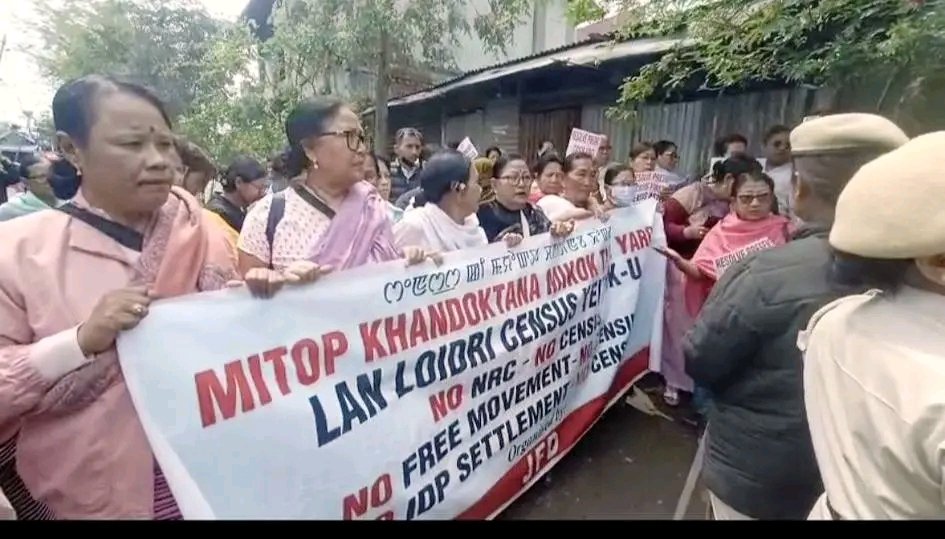
As the seventh session of the 12th Manipur Legislative Assembly came to a close on March 17, 2026, the streets echoed with a resolute cry: “No NRC, No Census.” For days, hundreds of citizens, organized under groups like the Campaign for Just and Fair Delimitation (JFD), 14 Civil Society Organization – Kangleipak, various Ima Lup, Student organizations and other communities, have taken to the iconic Ima Keithel and other locations, braving tear gas, mock bombs, and police barricades.
Protests have turned confrontational, with reports of injuries, yet the demonstrators remain undeterred. Their core demand is clear and unwavering, defer the upcoming 2026 national Census until a National Register of Citizens (NRC) or a similar mechanism identifies and addresses illegal immigrants in the state.
This is not mere opposition to enumeration; it is a profound expression of existential anxiety in a state scarred by ethnic violence since May 2023, porous borders, demographic fears, and unresolved displacement.
The ongoing ethnic conflict between Meitei and Kuki communities has displaced tens of thousands, blocked highways, restricted free movement, and left villages in ruins. Against this backdrop, proceeding with a Census, which is scheduled to begin in April 2026, without first verifying citizenship is seen as legitimizing “illegal influx” from Myanmar and Bangladesh, potentially altering political representation, resource allocation, and identity safeguards.
The protests gained momentum as the Assembly session began on March 11, 2026. Demonstrators marched toward the Assembly complex, holding placards reading “No NRC, No Census,” “Resolve Present Crisis First, Census After,” and “No Free Movement, No Census.”
Security forces intercepted them, leading to clashes where tear gas was fired, injuring several, including women vendors from Khwairamband Market. Similar actions occurred at the State Academy of Training in Takyelpat, where census training preparations were disrupted. Several CSO groups urged the government to seek deferment from the Centre until peace returns and illegal immigrants are identified and deported.
Inside the Assembly, the people’s voice found echoes but no action. Congress MLA K. Meghachandra raised a Cut Motion linking Census deferment to IDP resettlement and immigrant identification, rejecting government evasions.
Yet, the session concluded without any resolution to defer the Census or commit to NRC-like measures. The Yumnam Khemchand led government appeared to turn a blind ear. Bills were passed, including demands for grants and appropriation measures, but the burning issue of demographic integrity remained unaddressed in substantive terms.
This disconnect is troubling. Manipur’s crisis is multifaceted: ethnic strife, refugee inflows from Myanmar’s civil war post-2021 coup, and fears of “demographic invasion” have fueled demands for citizenship verification since long before the current violence.
Former CM Biren Singh had repeatedly highlighted “foreign hands” and illegal immigration as aggravating factors. The current administration, inheriting this volatile legacy, faces the same pressures but seems reluctant to confront them head-on.
By ignoring the streets’ clamor during the Assembly session, the government risks deepening public alienation.The rationale for “NRC first” is rooted in practical and constitutional concerns.
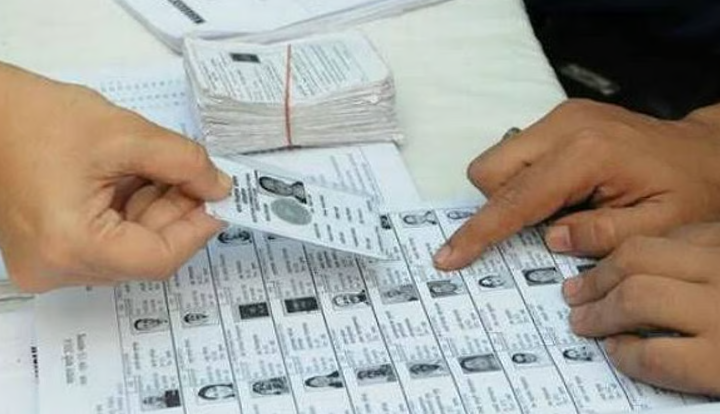
A Census without updated citizenship rolls could count non-citizens, skewing data on population, reservations, and delimitation. In a state with restricted areas, blockades, and IDP camps, accurate enumeration is already challenging.
Protesters argue that conducting it now rewards infiltration and undermines indigenous rights. Civil society groups emphasize that they do not oppose the Census per se, for public welfare, planning, and development, but insist on sequencing: verify citizens first to ensure the exercise reflects reality.
The government’s silence, or inaction, contrasts sharply with the people’s persistence. Protests continued even as the session ended, signaling that the issue will not fade quietly.
If unaddressed, it could escalate tensions, especially amid fragile ethnic relations. The Centre’s push for a nationwide Census timeline must be balanced against state-specific realities.
Manipur’s Assembly, as the people’s representative forum, had an opportunity to pass a resolution urging deferment or safeguards. By letting the session conclude without meaningful engagement, it has reinforced perceptions of a government detached from ground realities.
When people protest peacefully for their voices to be heard, only to face force and indifference, trust erodes. The current government must recognize this and defer the Census until NRC mechanisms are in place is not capitulation but prudence.
It would affirm commitment to fair governance, protect vulnerable communities, and pave the way for genuine reconciliation. People deserve more than platitudes. They demand action that honors their fears and aspirations.
As protests persist, the onus is on the administration to bridge the gap between the representatives and the streets. Ignoring the voice of the people risks prolonging instability in an already fragile state.