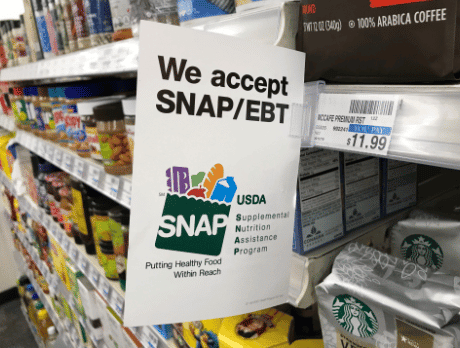
Attorneys general and governors from 25 Democratic-led states, including California, Massachusetts, and New York, along with the District of Columbia, filed a federal lawsuit Tuesday in Boston’s U.S. District Court. The suit demands that the Trump administration immediately tap $6 billion in contingency funds to sustain the Supplemental Nutrition Assistance Program (SNAP), warning that suspending benefits for 42 million low-income Americans—set to lapse after November 1—would trigger widespread hunger, malnutrition, and public health crises.
Critics decry the USDA’s abrupt reversal as “arbitrary and punitive,” violating decades-old laws mandating aid to eligible families, while the White House insists Democrats’ intransigence has drained the well dry.
Maria Gonzalez stares at her pantry’s dwindling shelves. The single mother of three, a farmhand in Ravalli County, has relied on SNAP – the Supplemental Nutrition Assistance Program, once derisively called food stamps – to bridge the gaps between irregular paychecks and rising grocery bills.
For 15 years, those monthly EBT card deposits have meant the difference between a full dinner table and skipped meals.But this week, as President Donald Trump’s government shutdown stretches into its third week, Gonzalez’s card sits idle. Federal funding for SNAP is set to expire at midnight on October 31, potentially leaving 42 million low-income Americans – including Gonzalez and her kids – without their benefits come November.
“I don’t understand why they’re playing politics with our food,” she says, her voice cracking over a crackling phone line. “My oldest has asthma; we can’t afford to let this slide.”Gonzalez’s plight is echoing across the nation, from California’s sprawling urban food banks to Montana’s remote ranchlands.
SNAP, the nation’s largest anti-hunger program, traces its origins to the Great Depression-era Food Stamp Act but ballooned under modern welfare reforms. Today, it provides an average of $180 per person monthly to eligible low-income households, funding everything from fresh produce at farmers’ markets to staples at big-box stores.
Administered by the USDA’s Food and Nutrition Service, it’s funded almost entirely by the federal government, with states handling distribution and eligibility.The program’s fragility was exposed earlier this year with the passage of the “One Big Beautiful Bill Act of 2025” – Trump’s sweeping reconciliation package signed in July.
Touted as a “game-changer” for fiscal discipline, the bill embedded deep SNAP reforms: stricter work requirements for able-bodied adults without dependents, raising the exemption age from 50 to 65 but capping it for those without children; penalties for states with high error rates, forcing them to foot 5-15% of benefit costs starting in 2028; and a projected $186 billion in cuts over a decade.Critics, including anti-poverty advocates, warned these changes would disenroll up to 3 million young adults and strain state budgets.
“It was the original sin of this administration’s agenda,” said Rep. Angie Craig (D-Minn.) on MSNBC’s Morning Joe last week, blasting the bill for embedding “ugly cuts” that set the stage for today’s chaos.The shutdown, now in its 18th day, stems from partisan gridlock over a continuing resolution (CR) to fund the government through December. House Republicans, emboldened by Trump’s demands for border wall funding and deeper domestic spending trims, have rejected Democratic proposals for a “clean” CR.
With Trump abroad – jetting from Vietnam trade talks to the APEC summit in South Korea – the White House has doubled down, blaming Senate Democrats for the impasse.Under federal law, SNAP benefits are exempt from automatic sequestration during shutdowns, and a $300 million contingency reserve exists precisely for such emergencies. Yet the administration redirected those funds to other priorities, including WIC (Women, Infants, and Children) programs, leaving SNAP high and dry. “This isn’t just negligent; it’s punitive,” said California Gov. Gavin Newsom in announcing his state’s lead role in the lawsuit. The suit seeks an emergency injunction to restore funding, warning that “shutting off SNAP benefits will cause deterioration of public health and well-being.”
The 25 suing states – a blue-wall bloc spanning Arizona to Washington – represent over half the nation’s SNAP recipients, including 5.5 million in California alone. Attorneys general from Colorado, Illinois, and New York argue the suspension violates the Administrative Procedure Act as “arbitrary and capricious.” Hearings are slated for Friday, with advocates hoping for a pre-November 1 ruling.
While coastal states mobilize in court, landlocked Montana offers a stark counterpoint – and a flashpoint for national outrage. Gov. Greg Gianforte, a Republican tech entrepreneur turned politician, has flatly refused to tap state coffers to backstop federal SNAP shortfalls. “This is a federal responsibility,” Gianforte declared in a statement Monday, echoing congressional GOP talking points that pin the shutdown on Democratic “obstructionism.”The decision imperils 77,000 Montanans – about 7% of the population – who depend on SNAP, from tribal elders on the Blackfeet Reservation to seasonal workers in the Flathead Valley.
Food banks like the Montana Food Bank Network are bracing for a 30% surge in demand, with shelves already bare in Billings and Missoula. “We’re talking about kids going to school hungry, families choosing between heat and a hot meal,” said network CEO Erin Schliep, who joined a coalition of advocates pleading with Gianforte at a Helena press conference Tuesday.Gianforte’s stance has ignited a firestorm.
State Democrats, led by House Minority Leader Kim Abbott, launched a petition drive demanding he “fund SNAP now,” amassing 15,000 signatures in 48 hours. Local Rep. James Reavis took to social media, accusing the governor of “throwing a tantrum with Republican allies in D.C.” at the expense of vulnerable constituents.The backlash spilled onto national airwaves, with Morning Joe devoting a segment Wednesday to Gianforte’s comments.
Host Joe Scarborough skewered the governor as “tone-deaf,” juxtaposing his words against footage of shuttered federal offices and empty pantries. “While Trump’s off schmoozing in Seoul, governors like Gianforte are washing their hands of the mess,” Scarborough said, inviting Kentucky Gov. Andy Beshear to elaborate. Beshear, whose blue state also sued, urged Trump to “step up” with executive action: “Use the contingency funds – it’s time for him to lead, not leave families starving.”Even USDA’s own website has become a battleground, with a now-deleted page attributing the cutoff to “Senate Democrats’ failure to pass a CR.” Montana’s Department of Public Health and Human Services followed suit, posting alerts directing SNAP users to local resources – but stopping short of state intervention.
Back in Ravalli County, Gonzalez isn’t waiting for verdicts or vetoes. She’s rationing rice and beans, tapping a church pantry for canned goods, and eyeing a second job at a local diner. “SNAP isn’t charity; it’s survival,” she says. Her story mirrors millions: A PBS report aired Tuesday profiled a Detroit autoworker furloughed by shutdown ripples, now facing eviction alongside hunger.Experts warn of cascading effects. The Urban Institute projects a 15-20% spike in child malnutrition cases if benefits lapse, with food insecurity rippling into higher emergency room visits and school absenteeism.
“This isn’t abstract policy; it’s a public health emergency,” said Dr. Mariana Chilton, a pediatric nutritionist at Drexel University.On Capitol Hill, pressure mounts. Families rallied outside the Rayburn House Office Building Monday, chanting “Fund the CR, feed the kids!” as Rep. Craig vowed to “sue their a–es” if needed. Bipartisan whispers suggest a compromise CR could emerge by week’s end, sweetened with $5 billion in disaster aid for Hurricane Melissa’s victims.
As November dawns, the SNAP saga encapsulates the raw divides of Trump’s second term: fiscal hawks versus social safety nets, federal mandates versus state autonomy. For Gonzalez and her neighbors, the stakes are visceral. “We’ve got mountains here that feed the soul,” she reflects, “but without food, they just mock the empty.”The lawsuit’s fate hangs in the balance, with oral arguments looming. Gianforte, unmoved, reiterated Wednesday that Montana’s $1.2 billion budget surplus won’t bail out “D.C. dysfunction.” Yet in Helena diners and D.C. green rooms, the chorus grows: End the shutdown, restore the aid – before hunger becomes the real national emergency.