The Meitei people, with its vibrant traditions, language, and historical legacy, faces an existential threat—not only from external pressures but from the troubling lack of patriotism among its leaders. Dates like April 23, August 13, August 27, September 30, and December 12 resonate deeply in the hearts of every Manipuris, serving as solemn reminders of the sacrifices made by forefathers for the land and its future generations.
Events like June 18 and September 21 further stir the spirit of resistance and pride. Yet, the response of Meitei leaders to these sacred commemorations is often limited to superficial floral tributes and lengthy speeches, lacking the action needed to honor our ancestors’ legacy. Recent failures—such as their inability to unite the community, protect sacred sites, and their silence during the demolition of the Red Land Building in Shillong—reveal a leadership void.
Like the endangered Sangai deer and Manipuri pony, the Meitei risk cultural extinction. A society that fails to cherish its heritage and history cannot survive the geopolitical challenges of today. The question looms: Are we prepared to lose everything earned through the blood of our brave forefathers?
History of Manipur is a saga of resilience and sacrifice. The Meitei community has endured invasions, colonial oppression, and internal strife, yet preserved its unique identity through centuries. Commemorative dates like April 23, marking the Anglo-Manipur War of 1891, honor heroes like Paona Brajabashi and other martyrs, who resisted British rule with unmatched courage. August 13 recalls the martyrdom of Yubaraj Tkendrajit and Thangal General who defended Manipur’s sovereignty, while August 27, September 30, and December 12 evoke similar acts of valor that shaped our identity.
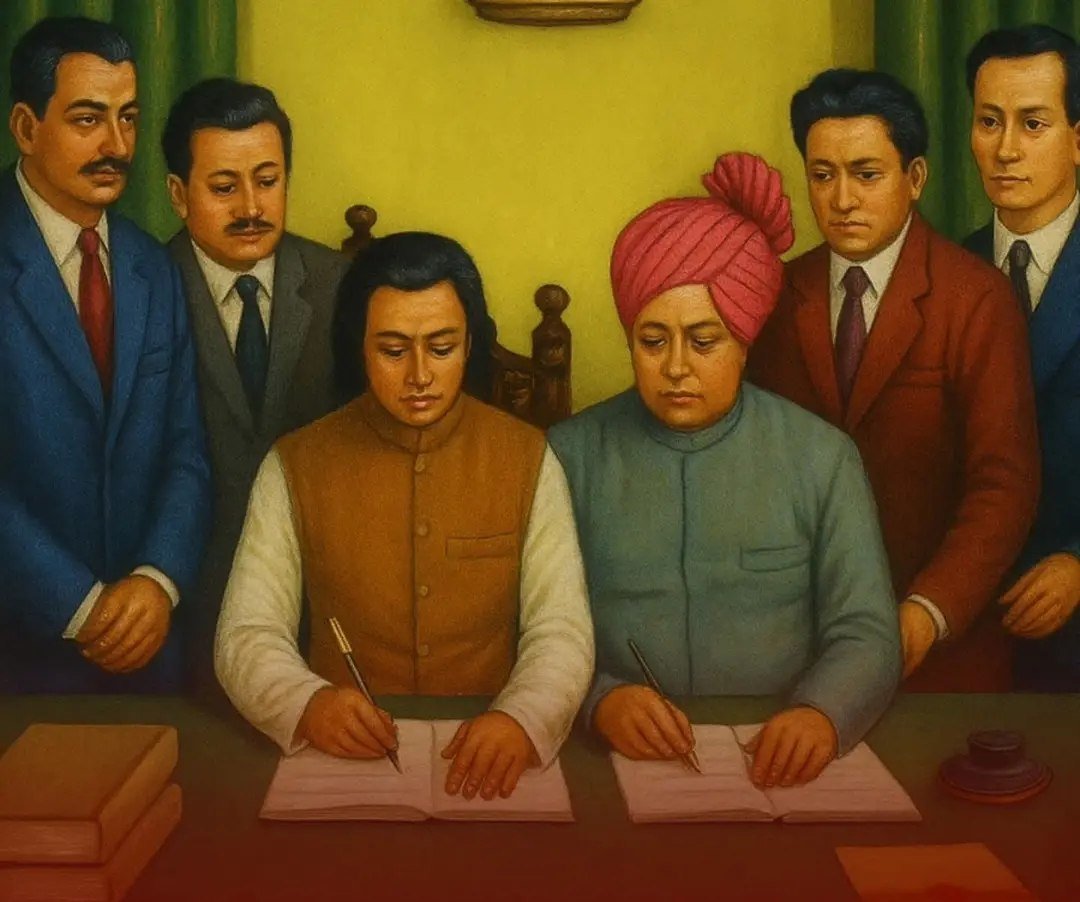
Events like June 18, commemorating the Great June Uprising, and September 21, tied to the signing of Merger Agreement 1949 (forced annexation of the kingdom), are meant to inspire unity and pride of our past. These moments are not mere historical footnotes but living testaments to the cost of freedom and the duty to protect our heritage.
However, today’s Meitei leaders seem disconnected from this legacy. Their engagement with these commemorations is often ceremonial, reduced to floral tributes and verbose speeches that fail to translate into meaningful action. These gestures, while symbolic, do little to address the pressing challenges facing the Meitei community. The absence of a unifying vision or tangible efforts to safeguard cultural and historical landmarks reveals a profound lack of patriotism.
This is not just a failure of leadership but a betrayal of the sacrifices made by our ancestors, who fought for the survival and prosperity of future generations.
Recent events in Manipur highlight the leadership vacuum within the Meitei community. Leaders have failed to earn the trust of the people, whether in fostering unity, working for the common good, or protecting cultural and religious landmarks. The demolition of the Red Land Building, a site of deep historical significance, where Maharaja Bodhchandra was forced to submit independent Manipur as a Part C state of India, stands as a glaring example of this failure. This structure, tied to the Meitei’s collective memory, was razed without significant resistance from those in power.
The silence of leaders during this loss speaks volumes about their priorities, reflecting a lack of commitment to preserving the community’s heritage.This is not an isolated incident. The inability to unite the Meitei people, especially amid Manipur’s complex ethnic and political tensions, has left the community vulnerable. Leaders have failed to bridge divides, whether within the Meitei or between different communities in the state. Issues like land rights, cultural preservation, and economic opportunities for the youth remain unaddressed, further eroding public trust.
The protection of religious sites, such as Koubru and Thangjing laifamlen, has been neglected, leaving these sacred spaces vulnerable to encroachment and desecration. The leadership’s inaction in these areas highlights a troubling disconnect from the needs and aspirations of the people they claim to represent.
Like the Sangai deer, found only in the floating phumdis of Loktak Lake, and the Manipuri pony, a symbol of the state’s Polo heritage and the Arambai, the Meitei face the threat of cultural extinction. These animals are endangered due to neglect and environmental degradation, and similarly, the Meitei identity is at risk due to the erosion of its cultural and historical roots.
A society that does not value its heritage—its language, traditions, sacred sites, and historical landmarks—cannot hope to thrive in the modern world. The geopolitical landscape of Northeast India is complex, marked by competing ethnic identities and external influences.
Without strong, patriotic leadership, the Meitei risk being marginalized in this intricate web of forces.The demolition of the Red Land Building is a stark reminder of what is at stake. Each lost monument, each neglected tradition, chips away at the foundation of Meitei identity.
Without leaders who champion these pillars of identity, the Meitei risk becoming a relic of history, much like other cultures that failed to protect their heritage. To avert this crisis, Meitei leaders must embrace a renewed sense of patriotism—one rooted in action, not symbolism. This begins with fostering unity within the community and across Manipur’s diverse ethnic groups.
The loss of the Red Land Building must serve as a wake-up call. The silence during the Red Land Building’s demolition must not be repeated. Leaders should be proactive, vocal, and unwavering in their commitment to the Meitei cause, ensuring that the community’s voice is heard in local, national, and regional forums.
The youth, in particular, have a role to play in reclaiming our heritage, whether through cultural activism or advocacy for preservation. The sacrifices of our forefathers—commemorated on dates like April 23, June 18, and September 21—demand more than remembrance; they demand a commitment to action.The Meitei stand at a crossroads. The legacy of our brave forefathers, earned through their blood, is at risk of being lost to apathy and inaction.
By demanding patriotic, visionary leadership and actively participating in the preservation of our heritage, we can ensure that the Meitei thrive. The question remains: Will we allow our legacy to fade, or will we fight to protect what our ancestors died for? The answer lies in the hands of our leaders—and the people who demand better from them.