As Bitcoin surges past $125,000 and exchange-traded funds (ETFs) like BlackRock’s iShares Bitcoin Trust (IBIT) dominate headlines, it’s worth exploring the nuances of this asset class, its potential, and its pitfalls.The allure of cryptocurrency lies in its ability to bypass intermediaries. Unlike fiat currencies controlled by central banks, Bitcoin operates on a peer-to-peer network, where transactions are verified by a global community of miners. This decentralization appeals to those wary of government overreach or inflationary policies.
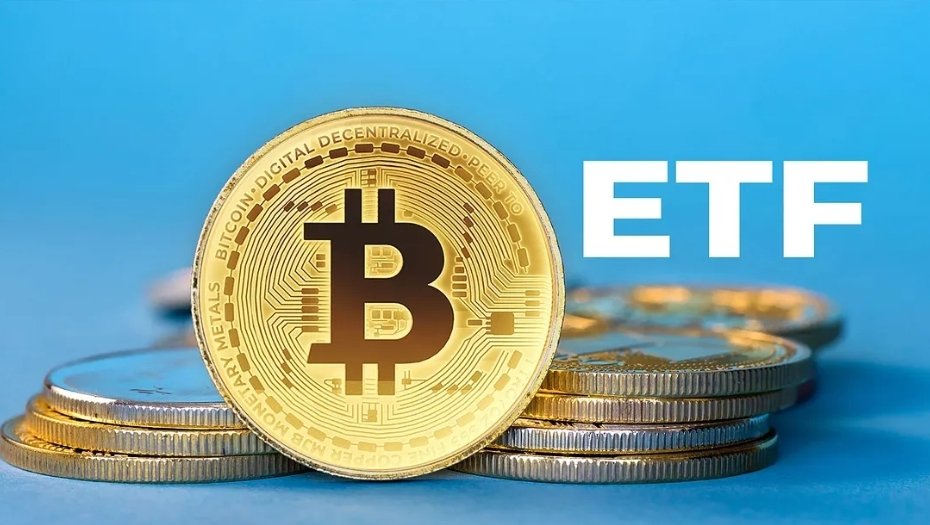
When it comes to investing in Bitcoin without directly owning it, spot Bitcoin ETFs have become the go-to vehicle for both institutional and retail investors. Among the growing field of options, BlackRock’s iShares Bitcoin Trust (IBIT) emerges as the standout choice for those looking to gain exposure to Bitcoin’s meteoric rise. Launched in early 2024, IBIT has rewritten the playbook for ETFs, achieving unprecedented success in a remarkably short time. Here’s a detailed look at why IBIT is the best Bitcoin ETF to consider, based on its performance, structure, and market position.
While competitors like the Fidelity Wise Origin Bitcoin Fund (FBTC) or the Grayscale Bitcoin Trust (GBTC) exist, IBIT’s combination of scale, low fees, and BlackRock’s brand makes it the top choice. GBTC, for instance, has higher fees (1.5%), which can erode returns over time. IBIT’s rapid AUM growth also suggests it’s capturing the lion’s share of investor interest, enhancing its liquidity and stability.
Cryptocurrency has undergone a remarkable transformation over the past decade, evolving from a speculative novelty to a legitimate financial asset class that’s reshaping global markets. At its core, cryptocurrency—Bitcoin in particular—represents a radical departure from traditional financial systems. Its decentralized structure, powered by blockchain technology, offers a level of transparency, security, and autonomy that centralized banking systems struggle to match. Yet, for all its promise, cryptocurrency remains a polarizing topic, lauded by enthusiasts as the future of finance and criticized by skeptics as a volatile, unregulated gamble.
Blockchain, the underlying technology, ensures every transaction is immutable and publicly verifiable, reducing fraud and fostering trust in a trustless system. For individuals in unstable economies or under authoritarian regimes, cryptocurrencies offer a hedge against currency devaluation or capital controls. Stories abound of people in hyperinflationary environments, like Venezuela or Zimbabwe, using Bitcoin to preserve wealth or access global markets.
However, the cryptocurrency market is not without its flaws. Bitcoin’s price volatility is legendary—its recent climb to $125,000 follows years of dramatic swings, with drops as steep as 70% in past bear markets. This volatility can deter risk-averse investors, as even a single tweet or regulatory announcement can send prices spiraling. Moreover, the lack of universal regulation creates uncertainty.
Some countries embrace crypto, while others, like China, have imposed outright bans. In the U.S., the Securities and Exchange Commission (SEC) has taken a cautious approach, approving spot Bitcoin ETFs only recently, which has fueled mainstream adoption but also raised concerns about market manipulation and investor protection.Energy consumption is another sticking point. Bitcoin mining, which secures the network, is energy-intensive, drawing criticism for its environmental impact. While innovations like renewable-powered mining farms are emerging, the narrative of crypto as an ecological villain persists. Scalability also remains a challenge—Bitcoin’s network can handle only a fraction of the transactions processed by traditional payment systems like Visa, limiting its use as a day-to-day currency.
Altcoins like Ethereum, Solana, and others aim to address these issues with faster, more efficient blockchains, but Bitcoin’s first-mover advantage and brand recognition keep it dominant.Despite these challenges, the mainstreaming of cryptocurrency is undeniable. Institutional adoption has been a game-changer. Major corporations like Tesla and MicroStrategy hold Bitcoin on their balance sheets, treating it as a store of value akin to digital gold.
Meanwhile, retail investors are flocking to crypto through user-friendly platforms and, increasingly, ETFs. These funds allow exposure to Bitcoin’s price movements without the hassle of managing private keys or navigating crypto exchanges—barriers that once kept mainstream investors at bay.
The success of BlackRock’s IBIT, which has amassed $98.5 billion in assets in under two years, underscores this shift. Crypto is no longer the domain of tech enthusiasts; it’s a cornerstone of modern portfolios.Yet, the crypto market is not for the faint of heart. Scams, hacks, and rug-pulls remain prevalent, with billions lost to fraudulent projects annually. Regulatory clarity is still evolving, and tax implications for crypto transactions can be complex.
For every success story of early adopters becoming millionaires, there are tales of investors losing fortunes to market crashes or phishing attacks. Education is critical—investors must understand wallet security, market dynamics, and the risks of leverage in crypto trading. The promise of financial freedom comes with the responsibility of due diligence.Looking ahead, cryptocurrency’s trajectory seems poised for further growth.
Bitcoin’s fixed supply of 21 million coins positions it as a hedge against inflation, especially as fiat currencies face pressure from rising global debt. The integration of blockchain into sectors beyond finance—supply chain, healthcare, and digital identity—suggests crypto’s utility extends far beyond speculation.
However, its success hinges on overcoming regulatory and technical hurdles. If governments impose draconian restrictions or if networks fail to scale, adoption could stall. Conversely, continued institutional backing and technological innovation could propel crypto to new heights.In summary, cryptocurrency represents a paradigm shift in how we perceive money, ownership, and trust. It’s a thrilling, chaotic, and transformative force that demands both optimism and caution.
IBIT has achieved what no other ETF has in history. In just 21 months, it has amassed $98.5 billion in assets under management (AUM), putting it on the cusp of crossing the $100 billion threshold—a milestone it’s expected to reach faster than any ETF ever, including Vanguard’s S&P 500 ETF (VOO), which took over five years to hit the same mark. This rapid growth reflects IBIT’s appeal to a broad spectrum of investors, from hedge funds to individual savers, all seeking regulated exposure to Bitcoin’s rally, which recently saw prices climb to $125,000.
IBIT’s success isn’t just about AUM; it’s also a revenue juggernaut. With a competitive management fee of 0.25%, the fund generates an estimated $244.5 million in annual fees for BlackRock, making it the firm’s most profitable ETF ever. It has outpaced legacy funds like the iShares Russell 1000 Growth ETF (IWF) and the iShares MSCI EAFE ETF (EFA), both over 20 years old, by more than $25 million in yearly revenue. This profitability highlights BlackRock’s ability to leverage its infrastructure and reputation to dominate the crypto ETF space.
IBIT’s inflows tell a story of robust demand. In a single week, it attracted $1.8 billion of the $3.2 billion flowing into U.S. spot Bitcoin ETFs, marking its second-largest weekly inflow ever. This surge aligns with Bitcoin’s recent price momentum, but it also highlights IBIT’s position as the preferred vehicle for investors seeking crypto exposure. Its liquidity and trading volume make it easy to buy and sell, reducing the risk of price slippage—a key consideration for large investors.
Managed by BlackRock, the world’s largest asset manager, IBIT benefits from unparalleled credibility. The firm’s partnership with Reliance-led Jio Financial Services in India and its global reach add to its reputation for reliability. For investors wary of crypto exchanges or self-custody, IBIT offers a regulated, familiar way to invest in Bitcoin through traditional brokerage accounts. Its low 0.25% fee is competitive, balancing cost with the security of BlackRock’s oversight.
No investment is without risk. Bitcoin’s volatility means IBIT’s value can fluctuate sharply, and regulatory changes could impact the ETF’s operations. Investors should assess their risk tolerance and avoid over-allocating to a single asset class. Consulting a financial advisor is wise, especially for those new to crypto.
BlackRock’s IBIT is the best Bitcoin ETF to buy due to its explosive growth, low fees, strong inflows, and BlackRock’s unmatched reputation. With $98.5 billion in AUM and a track record of breaking records, it’s a compelling choice for investors seeking exposure to Bitcoin’s potential.