As Diwali’s lamps flicker across Manipur, their glow should herald hope, renewal, and the triumph of light over darkness. Instead, the festival has become a stage for greed, where Diwali Lagao Khaoba—a predatory dice game—lurks to plunder the hard-earned money brothers gift their sisters for Ningol Chakouba.
In a state scarred by the ethnic violence that erupted on May 3, 2023, this betrayal cuts deep. We chant against foreign cultural invasions, reviving indigenous Meitei traditions to preserve our heritage. Yet, Lagao’s gambling dens, cloaked as festive ritual, mock our values, robbing the sacred sibling bond celebrated in Ningol Chakouba.
Some argue the fault lies with those who play, not those who deal the dice. But let’s turn to the Mahabharata: Was it Yudhishthir’s weakness alone, or the Kauravas’ cunning invitation to the game, that cost him his kingdom and wife?
In Manipur today, who truly bears the blame when greed preys on trust. Our cultural revival is a lifeline amid chaos. Yaosang’s spirited games, Durga Puja’s solemn marches—these traditions weave our fractured communities together, a testament to vibrant Meitei soul. But festivals have also become excuses for vice.
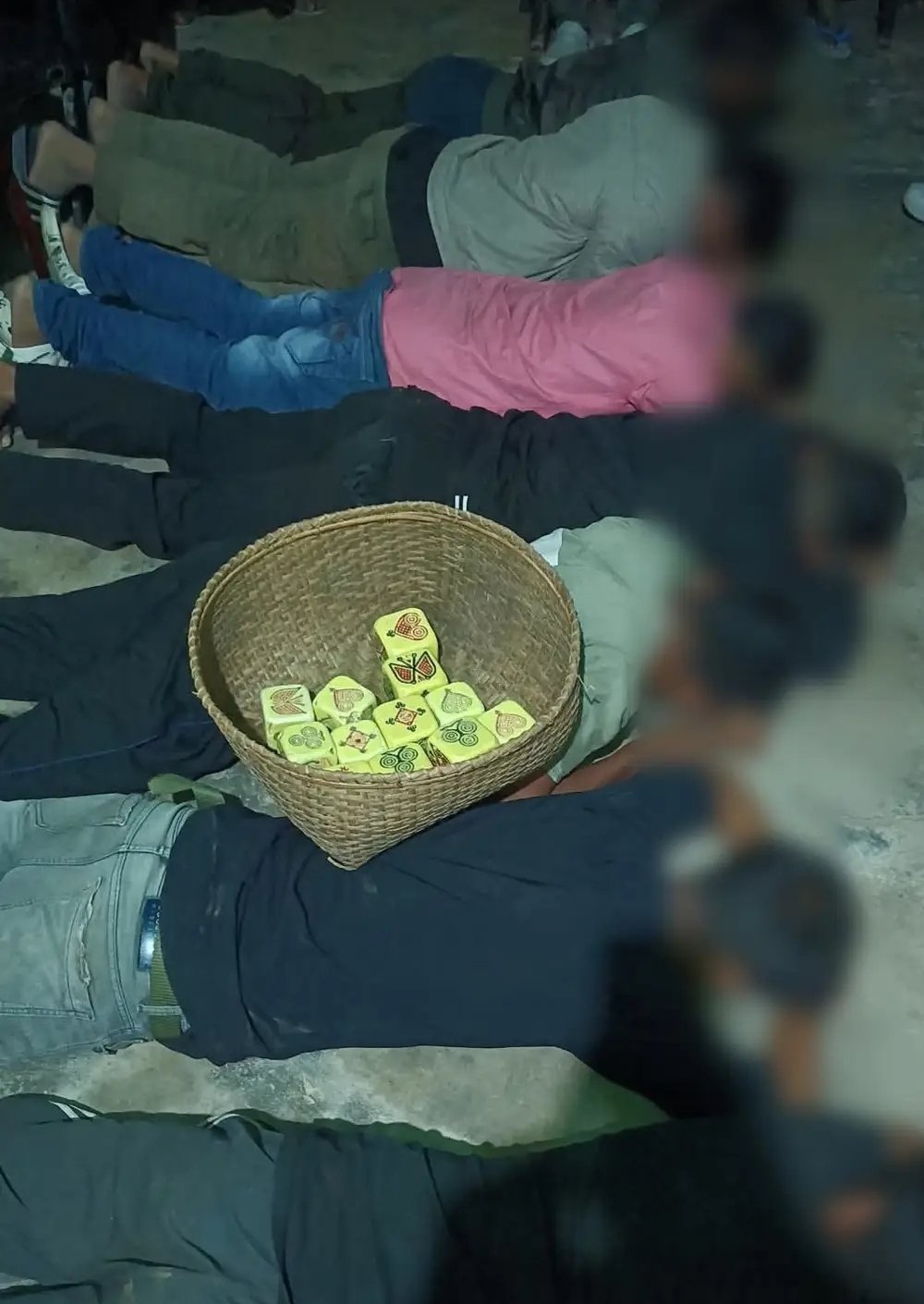
From the crude dances at Lik Kon Sanaba to the looting of household goods during Durga Puja, we’ve let indulgence tarnish our pride. None is more insidious than Diwali Lagao Khaoba, a game where players bet on symbols as a banker rolls cowrie shells or dice, draining wallets and dignity alike.Lagao is no fleeting pastime. In rural villages, it festers for weeks around Diwali, pushing families toward ruin.
Every night, Imphal West and East police raided dens, confiscating dice and baskets, charging gamblers under the Prevention of Gambling Act. Yet, enforcement falters against desperation’s pull. This isn’t our heritage. Sanatan Dharma’s Diwali invokes Lakshmi through light.
The cruelty peaks on Ningol Chakouba, the heart of Meitei kinship, celebrated two days after Diwali. On this sacred day, married daughters (ningols) went to parental homes, welcomed with feasts. Brothers invite sisters a week early, offering gifts—cash, clothes, tokens of love—that reaffirm bonds strained by time or violence. Parents bless daughters’ futures. It’s a day of grace.
After 2023, state economy gutted. Inflation has spiked food prices 20-30%, unemployment hit 15%. Meiteis were barred in the hills, Kukis avoid valleys, and foothills lie silent, commerce choked.Yet, Lagao and Bumper Housie stalls—raucous tambola traps—wait like vultures on Ningol Chakouba night. They target ningols carrying brothers’ gifts, children clutching small savings, even widowed aunts scraping by. Organizers, often local gangs posing as neighbors, know these earnings are lifelines in a state where violence has shuttered businesses and scorched fields.
We greet these sisters with “Yaifabi Oiyu” each morning, only to fleece them under festive lights. Is this the society we champion—one that loots the love brothers pour into their sisters’ hands?
Some deflect blame: “It’s not the dealers’ fault, but the players’ weakness.” They point to the Mahabharata, where Yudhishthir’s gambling led to Draupadi’s humiliation and the Pandavas’ exile. True, Yudhishthir’s pride and recklessness fueled his fall. But would he have lost everything without the Kauravas’ rigged dice game, their sly invitation baiting his flaw?
In Manipur, Lagao organizers are the Kauravas, setting the trap. They exploit a people worn down by crisis—displacement, joblessness, fear—knowing desperation drives bets. Players aren’t blameless; addiction grips many. But the sin begins with those who spread the cloth, roll the dice, and profit from ruin. Without their lure, would sisters wager their brothers’ gifts?
This greed echoes another betrayal: the highway looters strangling Manipur’s lifelines. On National Highways 2 and 37, militants—every community’s groups, or nameless cadres—extort “taxes” from trucks carrying rice, fuel, cement. A single load fetches Rs 25,000. In Kangpokpi, even egg-sellers pay lakhs. Security stand as a mute spectators on these Highways, but the extortion persists, fueling 20-30% price hikes.
Pre-2023, Manipur’s GDP grew at 7-8%; now, tourism is dead, industries shuttered, trade choked by ambushes and blockades. Like Lagao dealers, these looters—often locals—prey on their own, profiting from our isolation.The parallel is stark. Lagao robs sisters of brothers’ gifts; highway bandits rob families of affordable essential products, which are our daily needs.
Both exploit vulnerability: the ningol’s fleeting joy, the trucker’s fear of delay. Both thrive on impunity—raids fade post-Diwali, anti-extortion drives stall amid ethnic truces. Both betray our fight against “cultural invasion” while we import this warped Diwali and mimic governance with “taxes.”
In a state of burned homes, this is our shame.Yet, hope glimmers. This is what festivals must do—unite, not unravel. We can change. Ban Lagao from Diwali; let lamps light our greed of darkness, honor sibling love, not luck. Meira Paibi and Local Club members should patrol festive nights, redirect Housie winnings to relief camps, turning greed into aid.
Let’s not prey on the love between brothers and sisters. In Nongda Lairen Pakhangba’s spirit, reject the dice. Greet ningols with dignity, not traps. Light a lamp for a future where greed doesn’t dim our bonds, Even if you are a Sanamahi followers, lighting a candle to light your home is not waste of money, you are helping those unfortunate family depending on candle making to survive.