The dream of “One Nation, One Student ID” is fast becoming a reality. With the strong rollout of APAAR (Automated Permanent Academic Account Registry) and the Academic Bank of Credits (ABC) under NEP 2020, India is successfully building a modern, unified digital academic ecosystem that promises greater flexibility, mobility, and opportunities for every student.
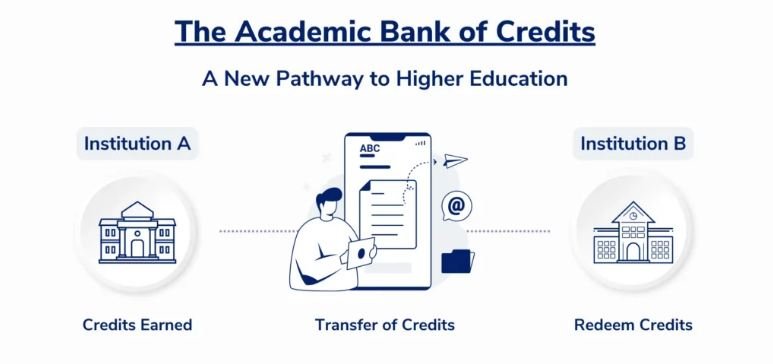
APAAR provides every learner with a unique, lifelong digital identity, while the Academic Bank of Credits acts as a secure digital wallet. Students can now accumulate, transfer, and redeem credits earned from multiple recognised institutions with ease. This transformative system breaks the old rigid structure of being tied to a single college or university, enabling multiple entry and exit options, seamless credit mobility, interdisciplinary learning, and truly student-centric education.
The progress has been remarkable. As of early 2026, APAAR registrations have crossed 33 crore, and the ABC platform has successfully onboarded over 31 million students and nearly 1,700 higher education institutions. Universities across the country are actively integrating these platforms into admissions, examinations, and credit transfers, bringing significant efficiency and reducing unnecessary paperwork.
A shining example comes from the Northeast. Manipur University, under the leadership of former Vice-Chancellor Prof. Naorem Lokendra Singh (whose tenure ended on May 7, 2026), demonstrated outstanding implementation. The university joined the ABC platform in 2021 and achieved nearly 80% student enrolment, with academic data of over 70,000 students successfully uploaded. It also guided nearly 70% of its affiliated colleges into the Four-Year Undergraduate Programme.
This achievement stands as an inspiring model of how national reforms can be effectively executed even in challenging regions. The benefits are clear and far-reaching. Students now enjoy genuine academic freedom — they can explore diverse courses, move between institutions without losing credits, pursue multidisciplinary interests, and build their education pathway at their own pace. This system strongly supports lifelong learning and aligns Indian higher education with the best global standards.
APAAR and ABC are not just digital tools — they represent a powerful equaliser for India’s diverse student population. Whether a student is in a metro city or a remote corner of the country, they can now carry their academic achievements with them seamlessly.
The successful implementation at institutions like Manipur University proves that with vision, commitment, and proactive leadership, NEP 2020’s digital reforms can deliver real transformation. India is steadily moving towards a future where academic records are secure, portable, and student-owned.
The APAAR-ABC era has truly begun, opening new doors of opportunity and flexibility for millions of young Indians. This is a historic and positive shift in the country’s higher education sector — one that celebrates innovation, inclusivity, and student empowerment.