India: Debating passport issue, inviting NRC nationwide
On the occasion of 14th Passport Sewa Divas, the ministry of external affairs (MEA) stated that an Indian passport should be treated primarily as a travel document only.
Guiding readers with unbiased views
News archive
On the occasion of 14th Passport Sewa Divas, the ministry of external affairs (MEA) stated that an Indian passport should be treated primarily as a travel document only.
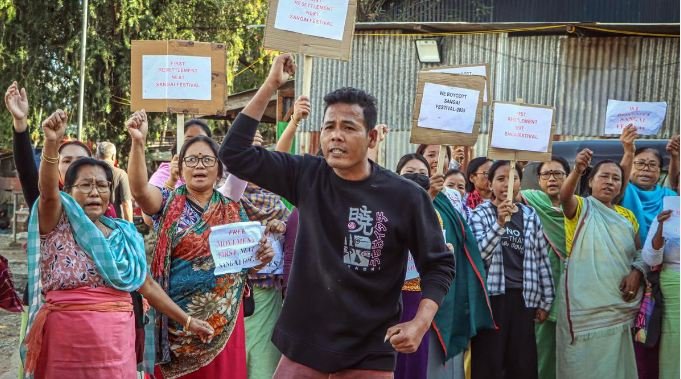
The Special Intensive Revision (SIR) of electoral rolls in Manipur has created another grave concern. Reports emerging from Kuki dominated areas allege that the names of Meitei voters who were driven from their villages are being classified as untraceable and considered for deletion.
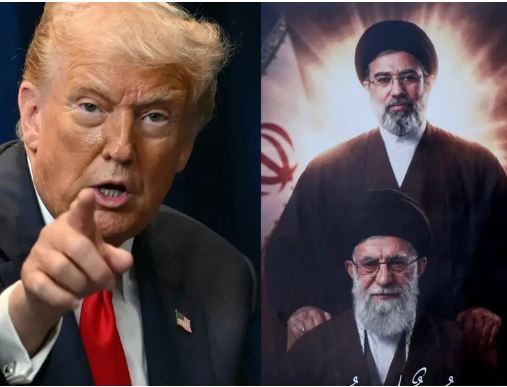
Iran’s vow of revenge and America’s threat of massive retaliation have placed the region at a dangerous crossroads. The issue now is not rhetoric alone, but whether deterrence can still prevent escalation.
Microsoft’s plan to downsize its global workforce by around 4,800 employees, representing about 2.1 percent of its total workforce, is more than another entry in the continuing cycle of technology sector layoffs. It reflects a wider corporate recalibration taking place across Big Tech, where companies that once expanded aggressively are now being forced to justify investments, reduce duplication, and align manpower with new strategic priorities.
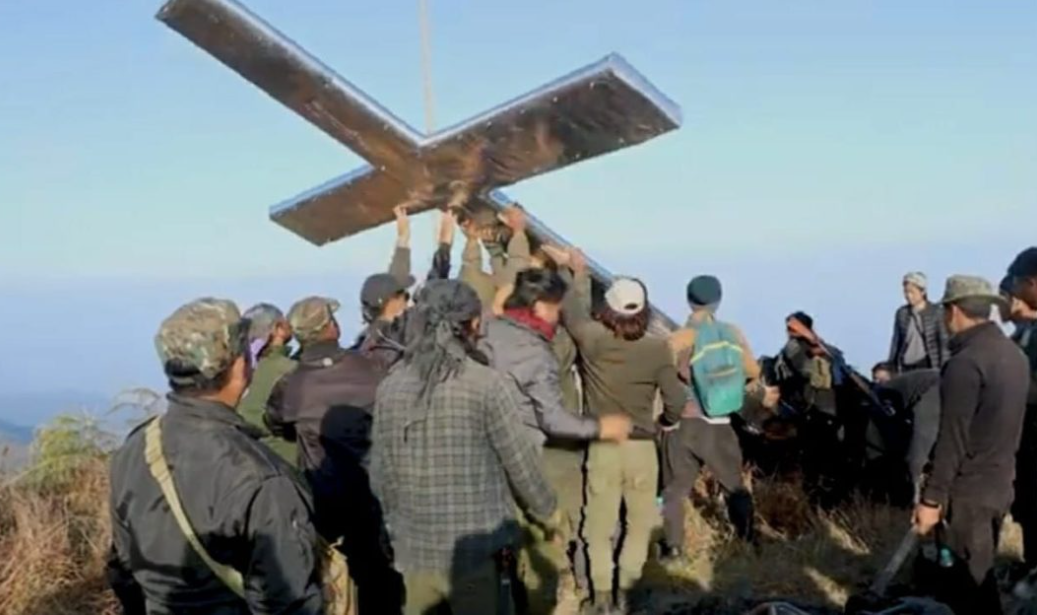
A strong rebuttal to the claim that Manipur conflict is a BJP enabled Christian crisis, arguing that the violence must be understood through land, identity, governance failure, armed groups and territorial politics.

The SoO story began with a table offered to Kuki militants in 2005. By 2026, official records were citing low camp attendance, alleged arms movement, recruitment, extortion, ammunition procurement and FIRs. The State Cabinet and MHA correspondence now make SoO agreement, a major question of public accountability in Manipur.
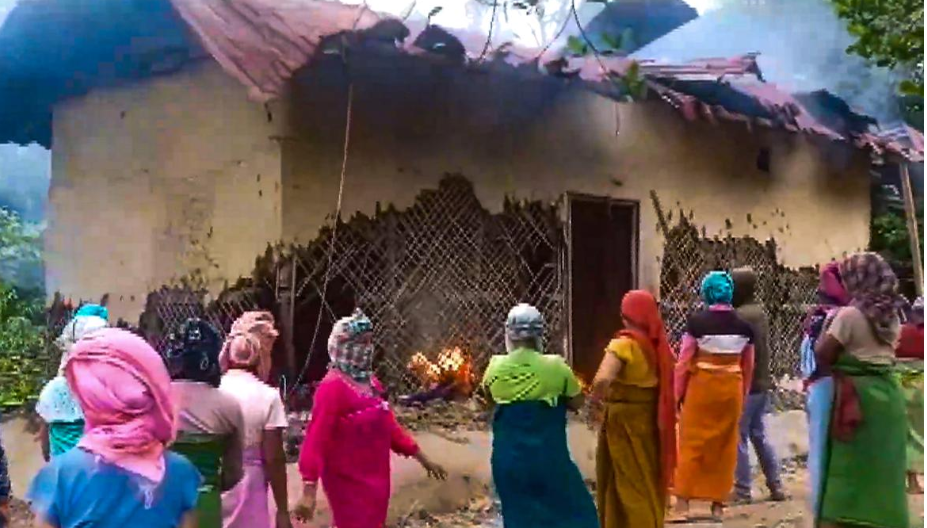
A woman stripped of dignity by a mob is a national shame, whether it happens in Manipur, Jharkhand, Rajasthan or West Bengal. Justice demands consistent outrage, individual accountability and rejection of collective blame.
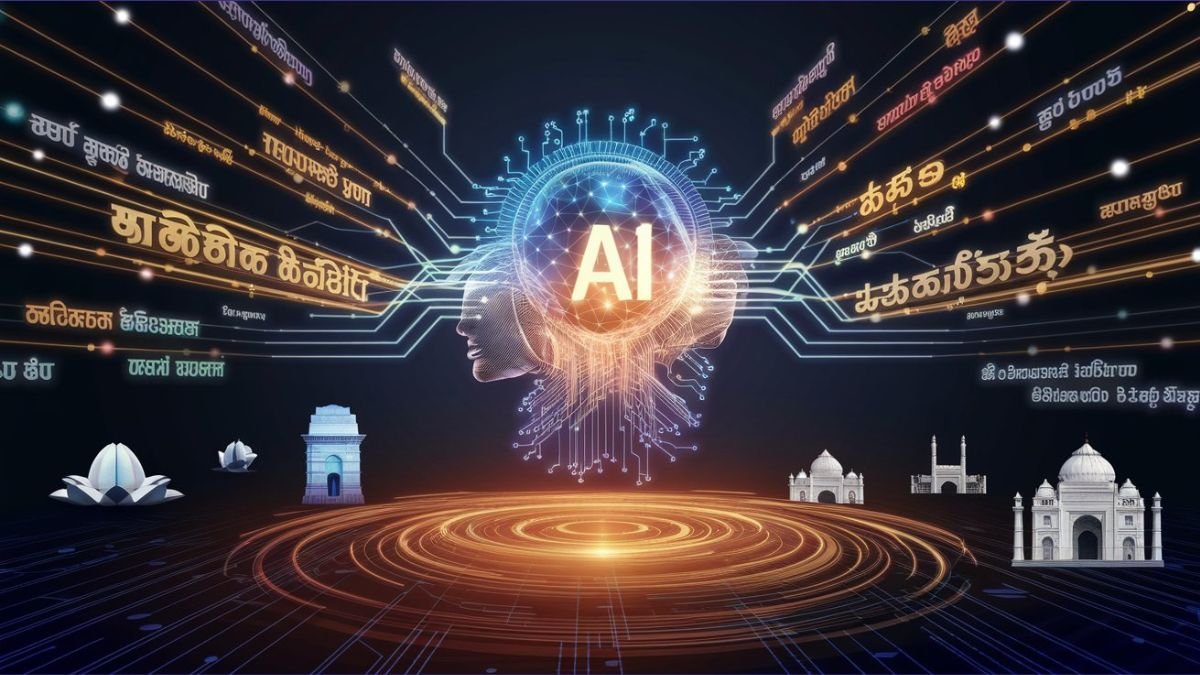
India’s AI future will not be decided only by investment, chips or global models. It will be decided by whether technology can understand the voices and languages of ordinary citizens. If AI speaks fluently to the elite but stumbles before the majority, it will not democratize India. It will only modernize exclusion.
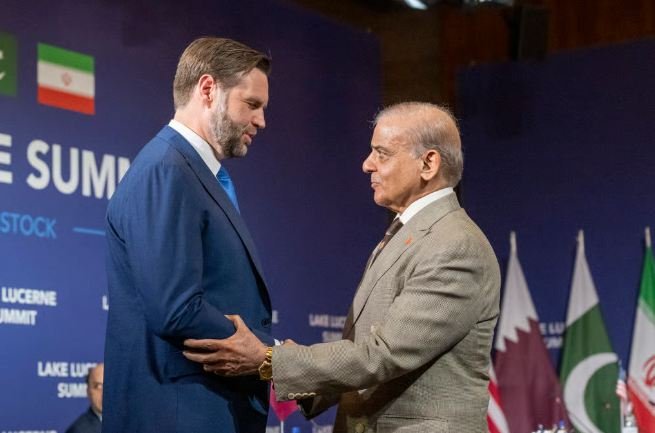
Fresh US strikes on Iran after a drone attack near the Strait of Hormuz show that ceasefire diplomacy without trust, verification, and restraint cannot hold. The latest escalation is not just a bilateral crisis. It is a warning for global energy security, maritime trade, and Middle East stability.
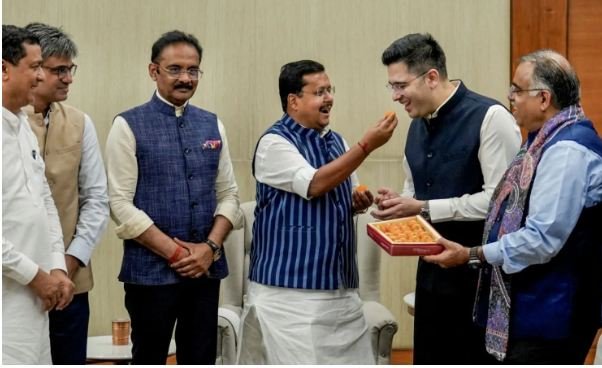
India’s anti-defection law was meant to stop political betrayal, but the two-thirds merger clause has created a legal route for mass defections by MPs and MLAs.
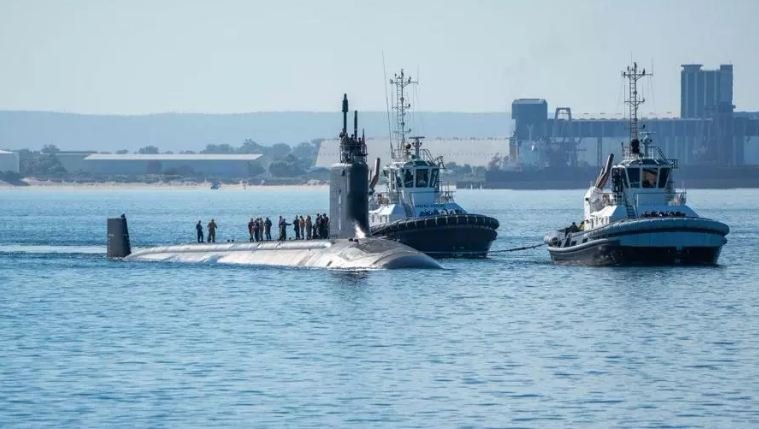
The U.S. decision to restore Pacific Command may be symbolic, but it raises important questions for India, the Quad, maritime security, and the future of the Indo-Pacific idea.
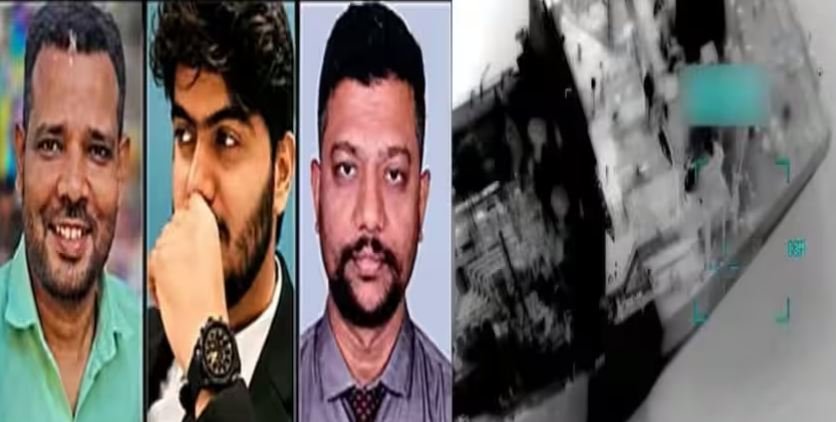
The killing of three Indian sailors near Oman and the prosecution of Captain Ajay Pant in Britain reveal a growing danger for Indian maritime workers caught between law, war, oil, and geopolitics. The sea has always been a difficult workplace. For Indian seafarers, it is now becoming a geopolitical danger zone.