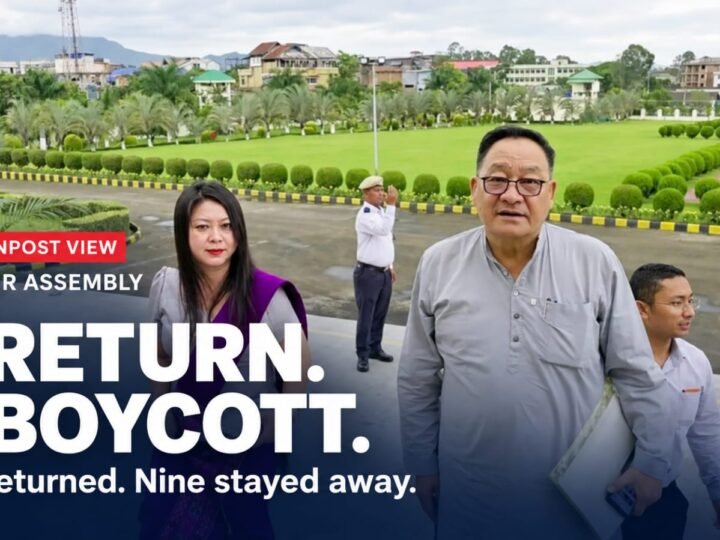
Manipur Assembly Began With a Return and Ended With a Boycott
Two Kuki legislators returned to the House after more than three years. Five days later, nine Naga MLAs stayed away from the final sitting.…
Guiding readers with unbiased views
News archive
Two Kuki legislators returned to the House after more than three years. Five days later, nine Naga MLAs stayed away from the final sitting.…

Words matter, particularly when they appear in a Gazette notification. On September 5, the Government of India did not announce that Census 2027 had…
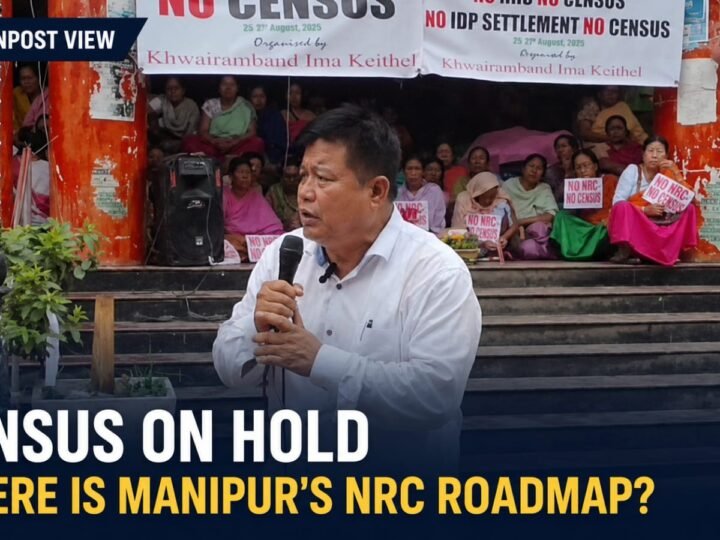
The decision to defer the Census house-listing exercise in Manipur is a significant concession to a sustained public demand. It deserves acknowledgement. But the…
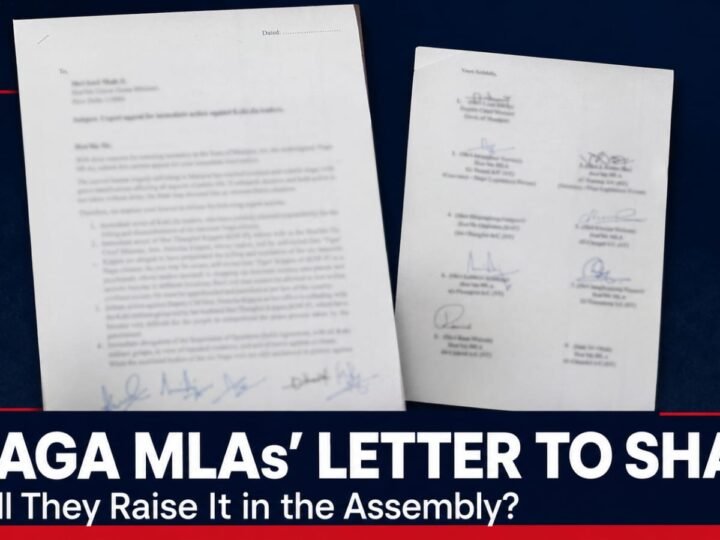
A circulated letter bearing the names of nine Naga legislators seeks action against Kuki-Zo leaders, KNF-P leader Thangboi Kipgen and Deputy Chief Minister Nemcha Kipgen. But sending allegations to Delhi is not enough. Will the legislators place them before the Manipur Assembly, demand answers and act on their warning about continued support for the Government?
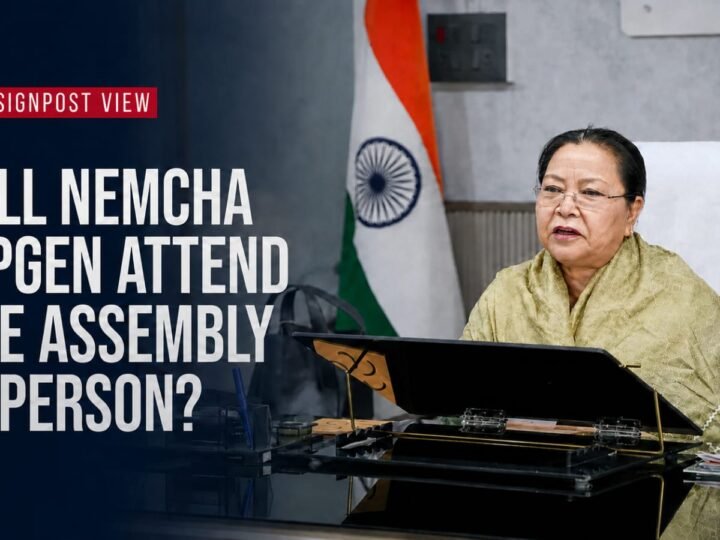
Will Deputy Chief Minister Nemcha Kipgen attend the September 2 Manipur Assembly sitting in person—or participate once again through a video link? Her physical presence would be more than protocol. It would test the Government’s claims of improving normalcy, free movement and shared constitutional governance.

The return of the Imphal–Dimapur–Guwahati service deserves credit, but the August 23 incident raises a harder question: can ordinary citizens travel independently along National…
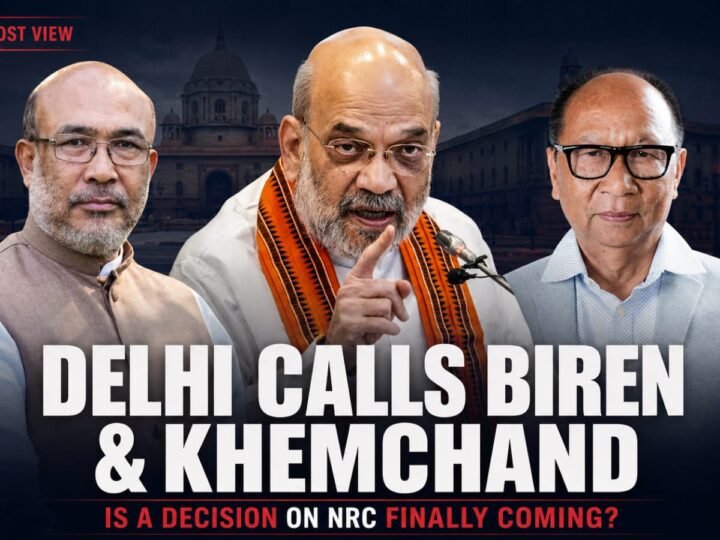
Why have both former Chief Minister N. Biren Singh and Chief Minister Yumnam Khemchand Singh reached Delhi at this critical moment?
The Centre has already heard Manipur’s NRC-before-Census demand from political leaders, legislators, students and civil society. What Manipur needs now is not another “positive meeting,” but a clear and accountable decision.
Read The Signpost View.
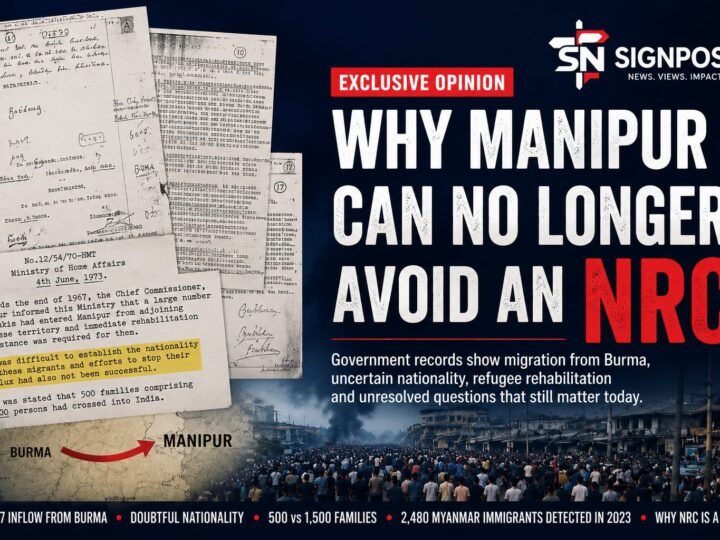
The debate over a National Register of Citizens (NRC) in Manipur is often framed as a political confrontation between communities. That framing misses the more fundamental issue. Manipur has a historical citizenship-documentation problem. Government of India records show that people crossed into Manipur from Burma decades ago, that the nationality of some of those migrants was difficult to establish, and that relief and rehabilitation proceeded even while questions over their precise status remained.
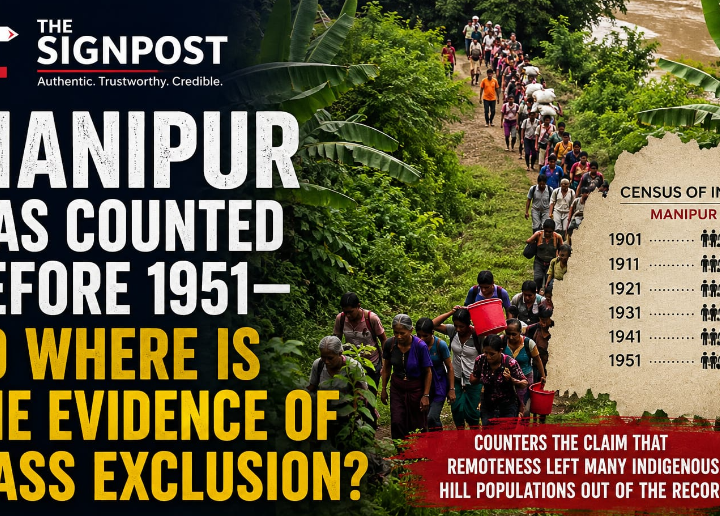
The claim that remoteness may have left substantial indigenous hill populations outside the 1951 Census deserves examination. But Manipur’s documentary history stretches well before 1951, while the 1948 election provides another important pre-cut-off record. If mass exclusion is the argument against 1951, the historical evidence of that exclusion should be produced.

N. Biren Singh has already met Union Home Minister Amit Shah and placed Manipur’s NRC and Census concerns before him, verbally and in writing.
Now another ruling BJP delegation is preparing for Delhi while students and civil society organisations demanding NRC before Census continue their protests in Imphal.

Mirabai’s tears on the medal podium were celebrated as national pride. The tears of Meitei girl students after police action at DM College of Teacher Education must not be dismissed as disorder. Both come from the same brave and indigenous root.
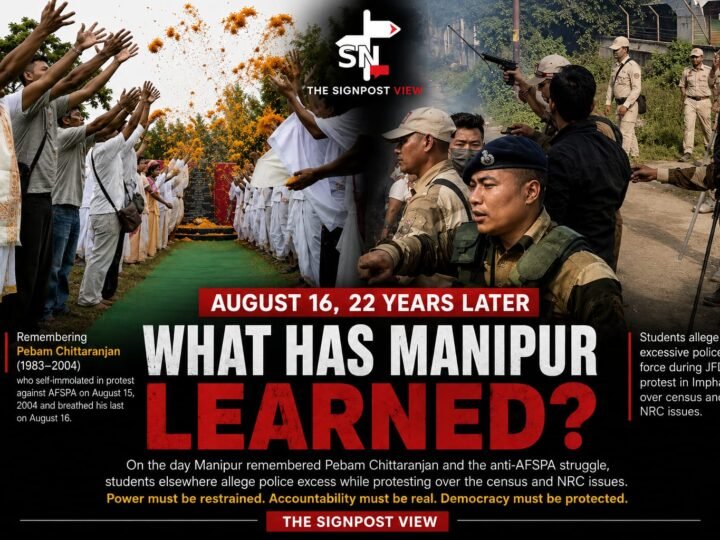
On the day Manipur remembered Pebam Chittaranjan and the anti-AFSPA struggle, another generation of students alleged excessive police force while protesting over the deferment of census and implementation of NRC. The two events are different, but together they raise an enduring question about state power, accountability and democratic rights.